

Exploring ceramicware and cuisine in Iga and Shigaraki
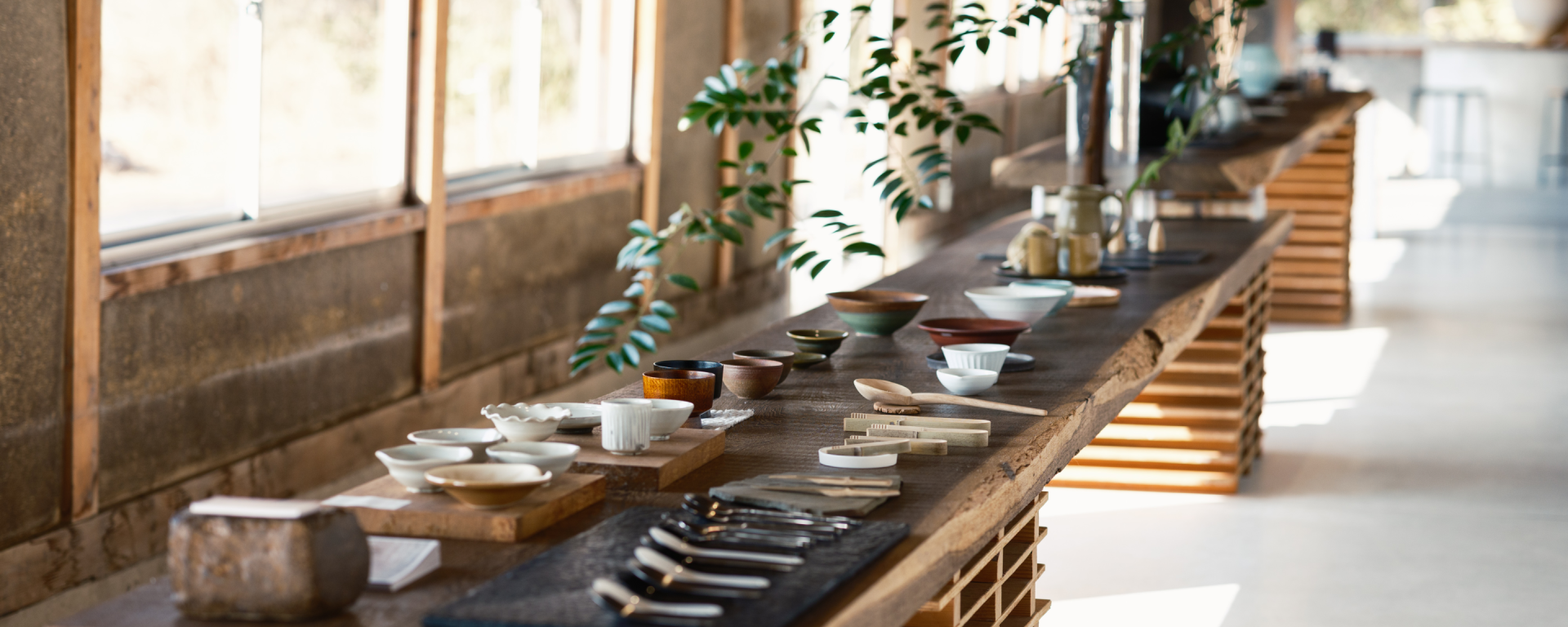
You’re planning a short sightseeing trip that will begin in the village of Minamiyamashiro, a mountain settlement in the southernmost part of Kyoto Prefecture. You’ve charted a route that will take you through tea plantations nestled between mountains to Shigaraki, an area renowned for its pottery. With its traditional kilns and tanuki raccoon dog statues, the area is steeped in a culture nurtured by both earth and fire. From there, you’ll make your way over a mountain pass to the city of Iga. It’s a two-day road trip in which you hope to encounter quintessential Japan and its deeply rooted craft culture.
In search of Shigaraki-born pottery
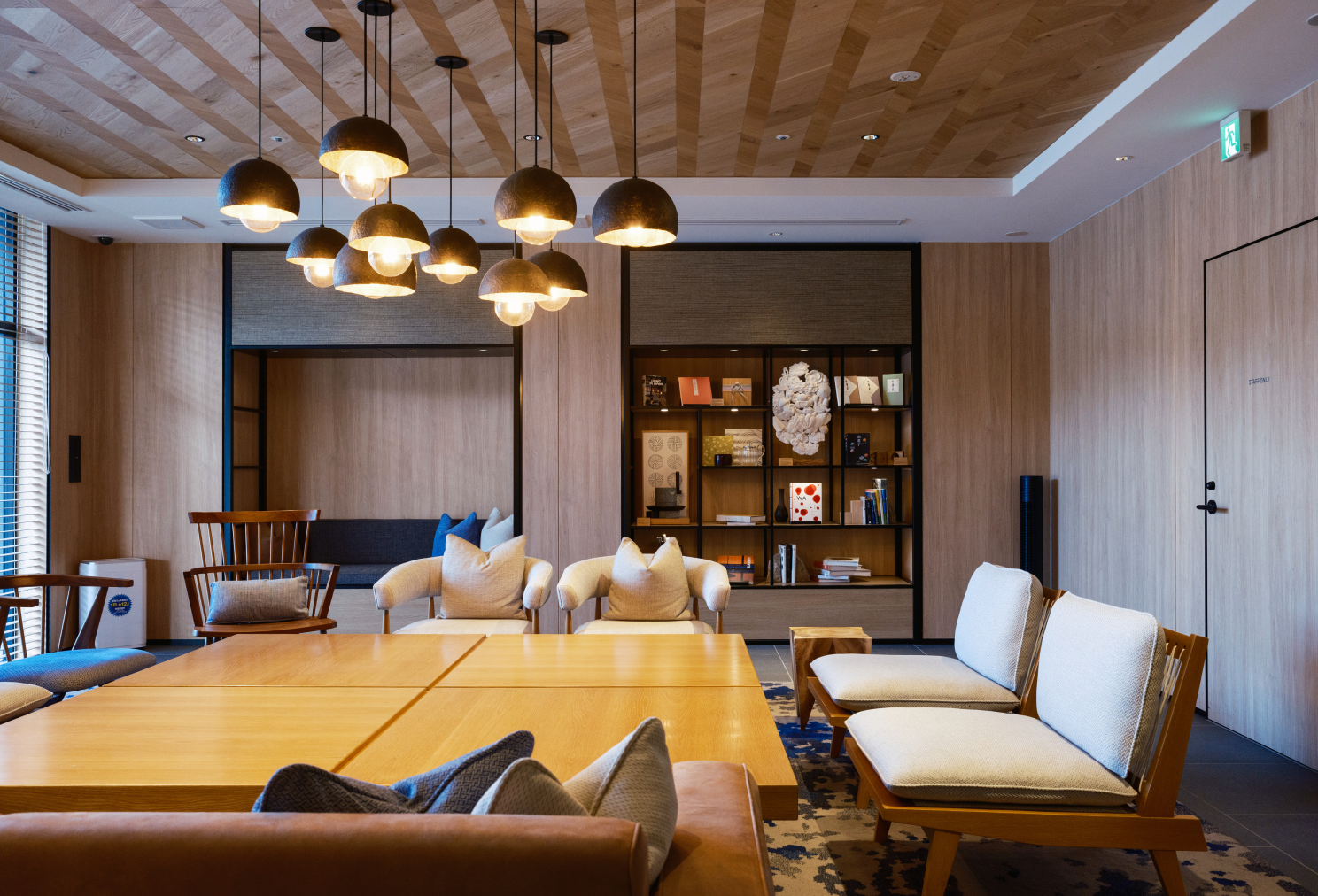
At Fairfield by Marriott Kyoto Minamiyamashiro, tranquility is found in the surrounding tea fields. Escape the Kyoto crowds and unwind in the peaceful embrace of a classic Satoyama landscape.
08:30 Shin-Osaka Train Station
10:00 Shigaraki Ceramic Cultural Park
11:20 Ceramic Art Museum
12:40 Lunch at Gingetsusha
13:50 Shigaraki Pottery Museum
15:00 Yukitosha
18:00 Fairfield by Marriott Kyoto Minamiyamashiro
Day 1 Total Distance: 122.05km
Day 1 Total Travel Time: About 3 hours
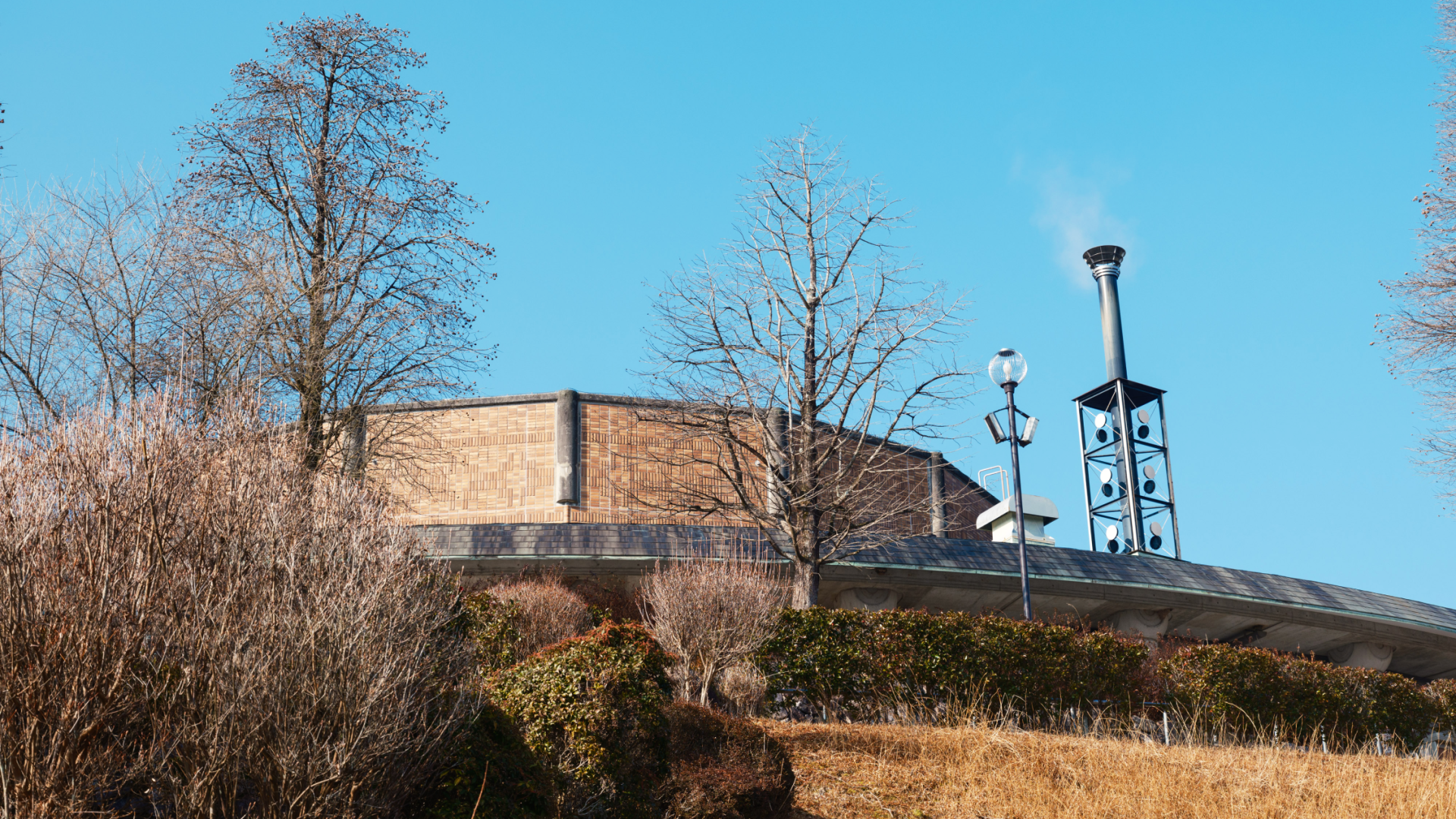
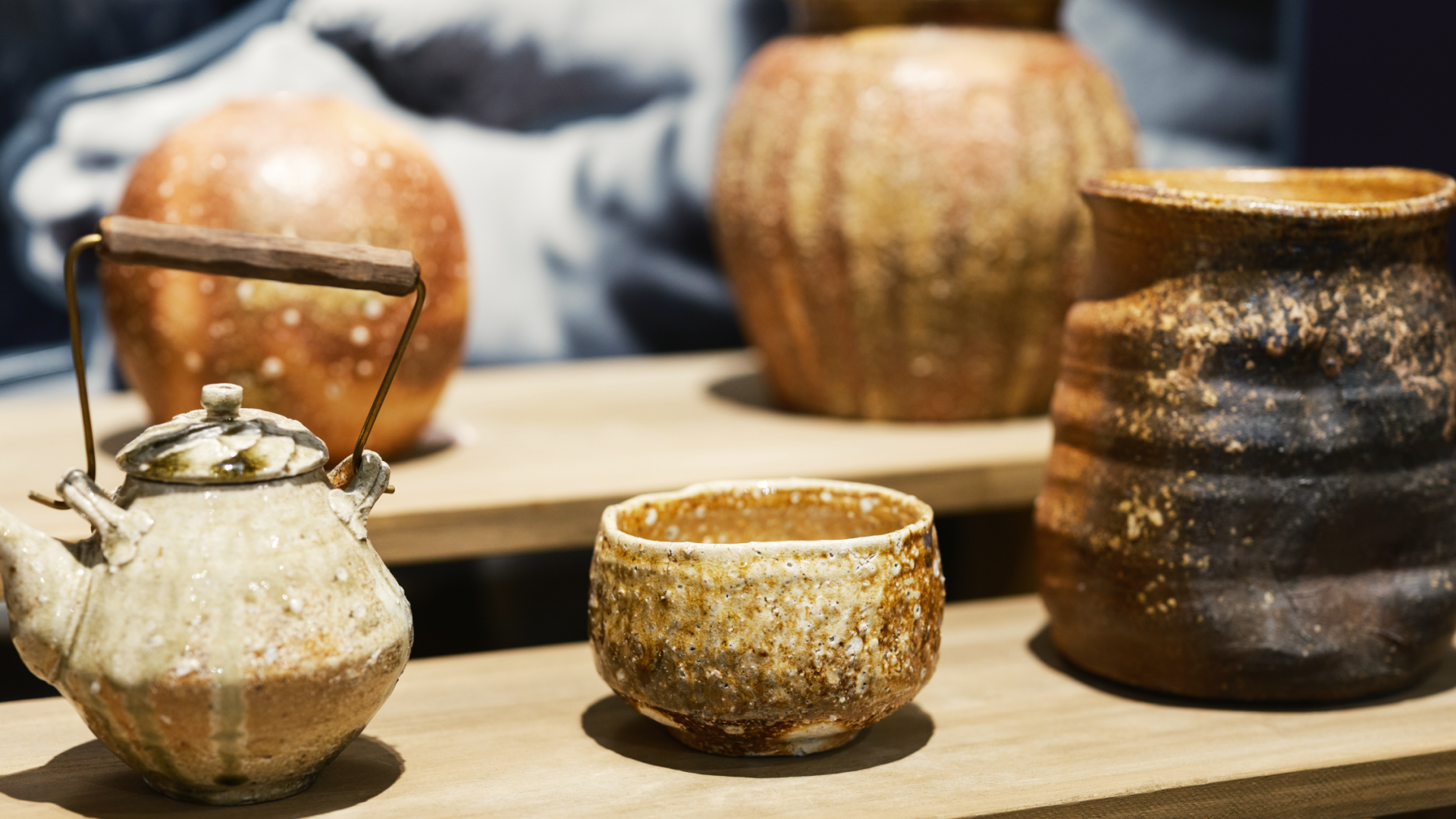

Shigaraki ware represents one of the “Six Ancient Kilns”—traditional branches of Japanese pottery culture. It has a long history, said to extend back to the 12th to 14th century. The tanuki figurines for which it is famous are in fact a modern addition—the traditional products tend to be household items such as jars, pots, and mortars. But new styles are still emerging today, and you’re looking forward to exploring both classic and present-day examples of the region’s pottery.
***

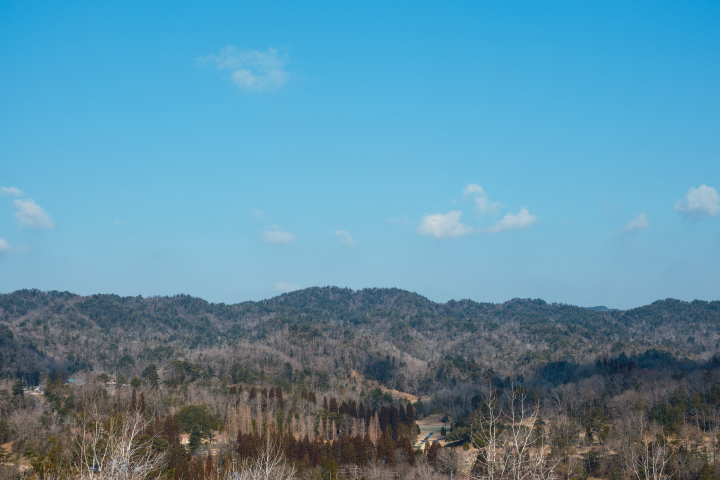
Driving east from Osaka on the expressway, you head towards the Shigaraki area of Shiga, renowned for its pottery.
Shigaraki Ceramic Cultural Park: A seamless blend of nature and art
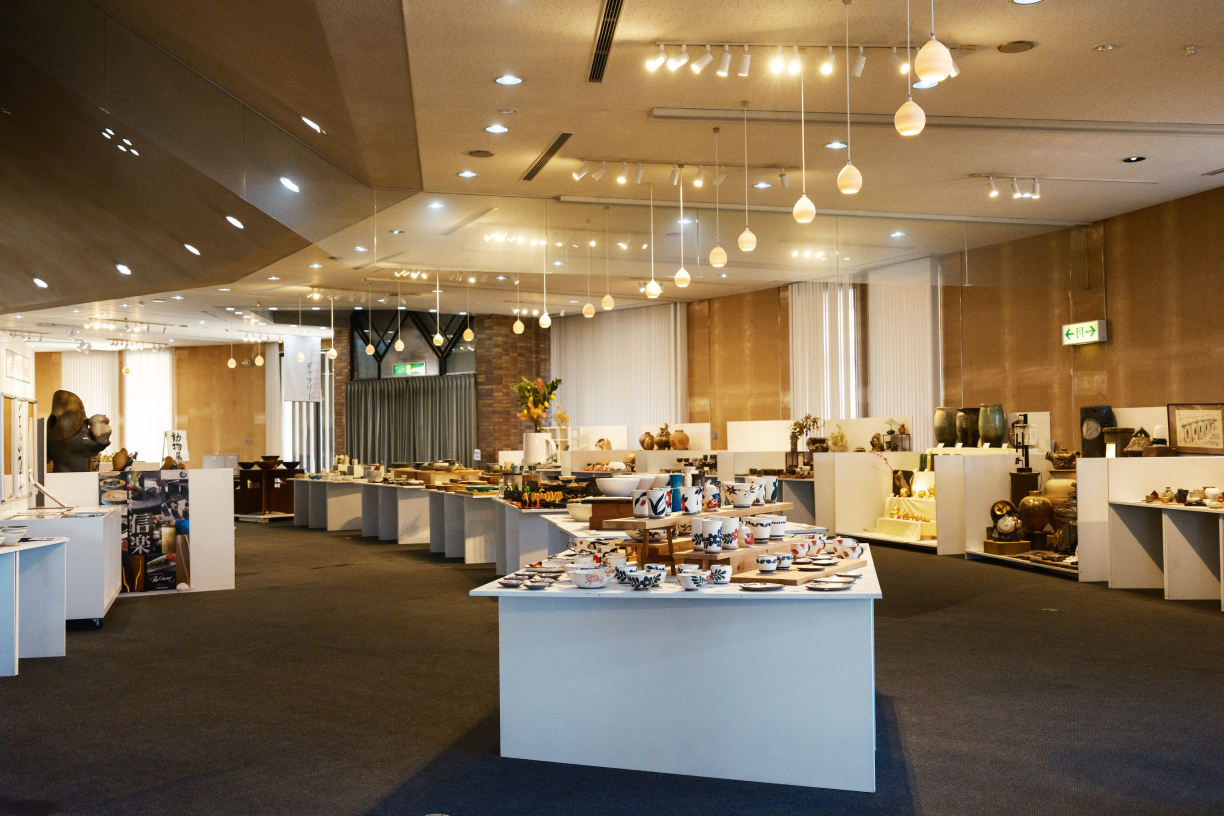
Discovering Shigaraki’s pottery heritage in a forest of ceramics
Upon arriving in Shigaraki, you first stop at Shigaraki Ceramic Cultural Park—a facility established to promote pottery culture. Its vast grounds include a museum and gallery showcasing contemporary ceramics, studios supporting artists in residence, and parkland dotted with outdoor art exhibits. It’s an environment designed to seamlessly blend nature and art so you can experience the diverse charms of pottery while enjoying a pleasant stroll.
The park also features an exhibition hall of industrial ceramics and even traditional brick kilns with designs unique to Japan, all of which you are able to explore at leisure while walking through the park.
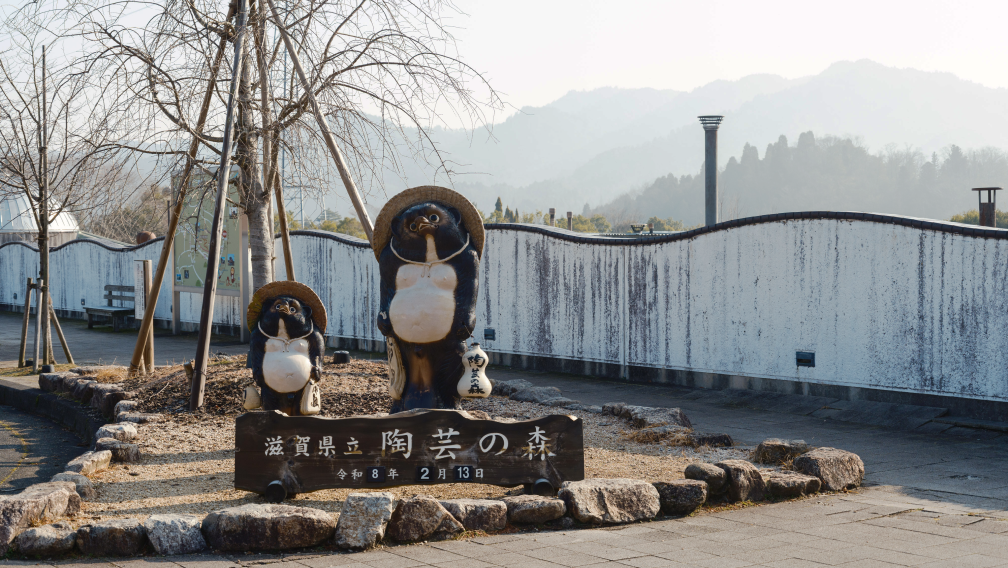
The Ceramic Art Museum: Exploring art through clay
A pottery museum where Shigaraki ware meets contemporary art
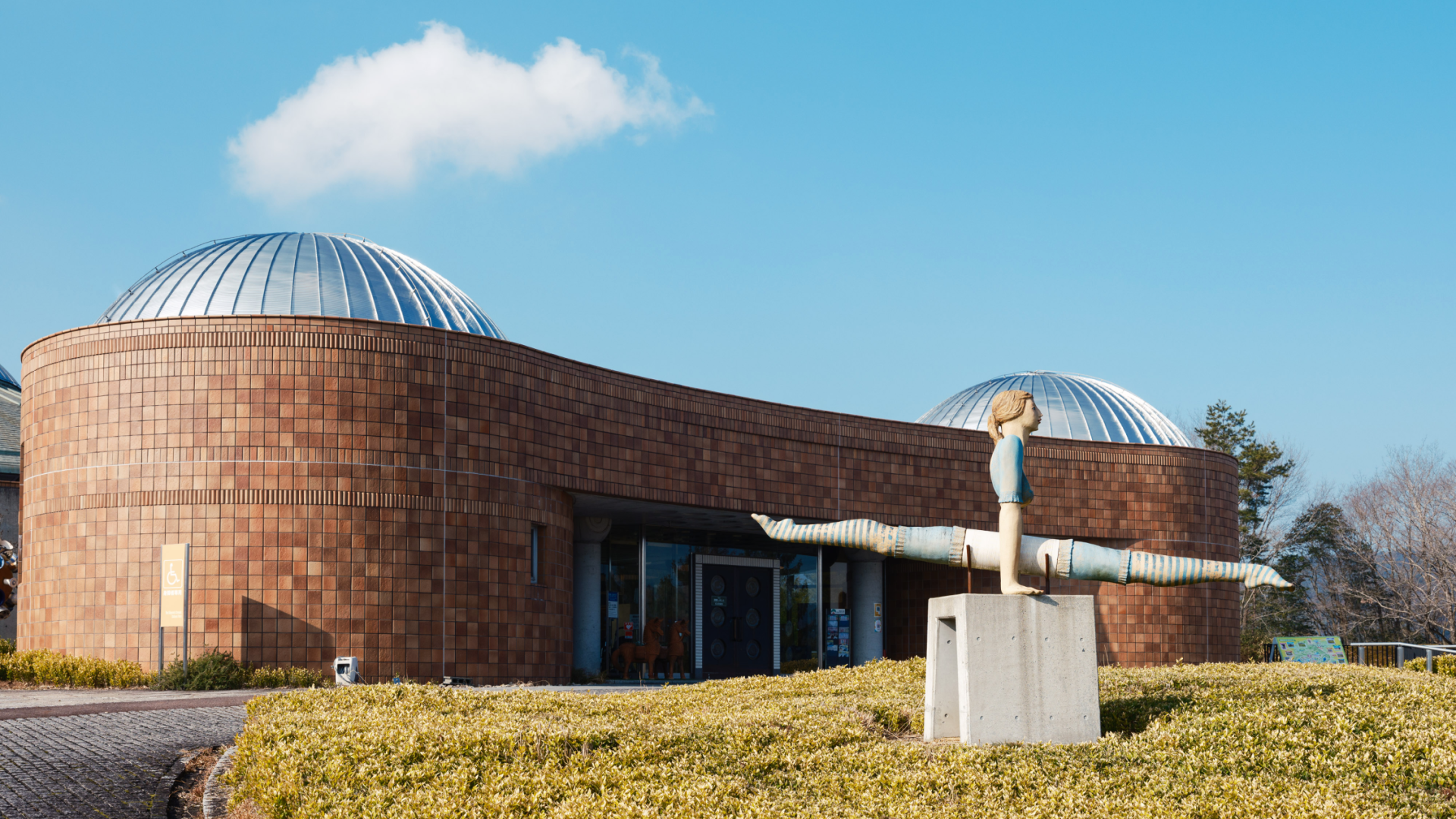
The Ceramic Art Museum which is at the heart of Ceramic Cultural Park opened in 1990. It specializes in offering a broad introduction to contemporary ceramics from Japan and abroad with a focus on the tradition of Shigaraki ware.
Here, under the building’s impressive dome-shaped roof, ceramic works from Shigaraki and around the world are on display. You study each work carefully, admiring their form, texture, and artistic depth.

Gingetsusha: A flavor-filled lunch
Following your walk around Ceramic Cultural Park, you find yourself pleasantly tired and hungry. You decide to have lunch at Gingetsusha, an eatery located inside the Exhibition Hall of Industrial Ceramics.
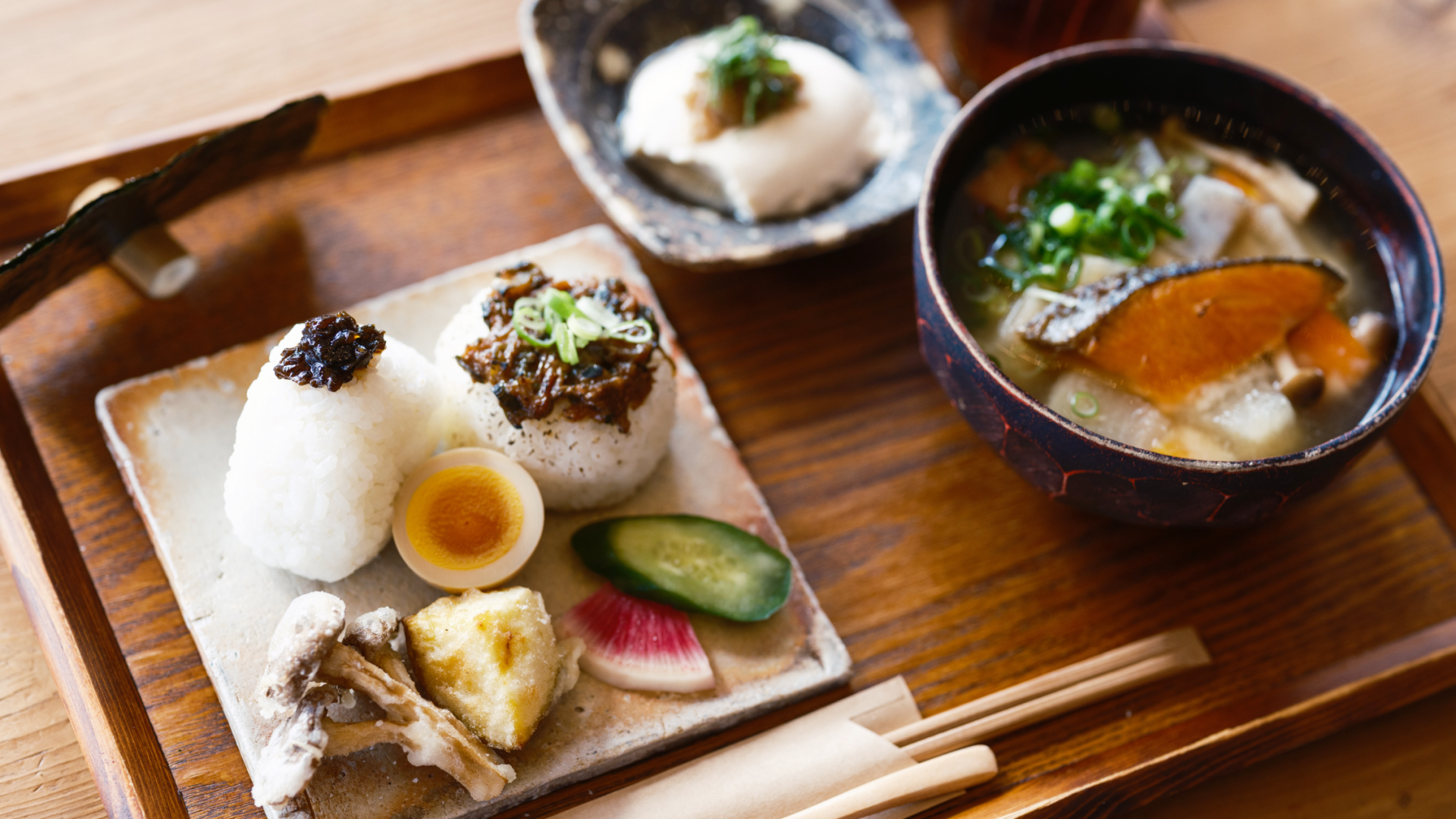
You order the sockeye salmon kasujiru set meal. When faced with a choice of fillings for your onigiri rice balls, you deliberate for a while before settling on konbu kelp and grilled green onion miso. The kasujiru is a soup made from sake sediments left over from sake production and comes with chunky vegetables that are all so full of flavor. You note that none of the dishes rely too heavily on salt—the natural umami of the ingredients fills your mouth steadily with every bite. It’s a real treat for the palate.
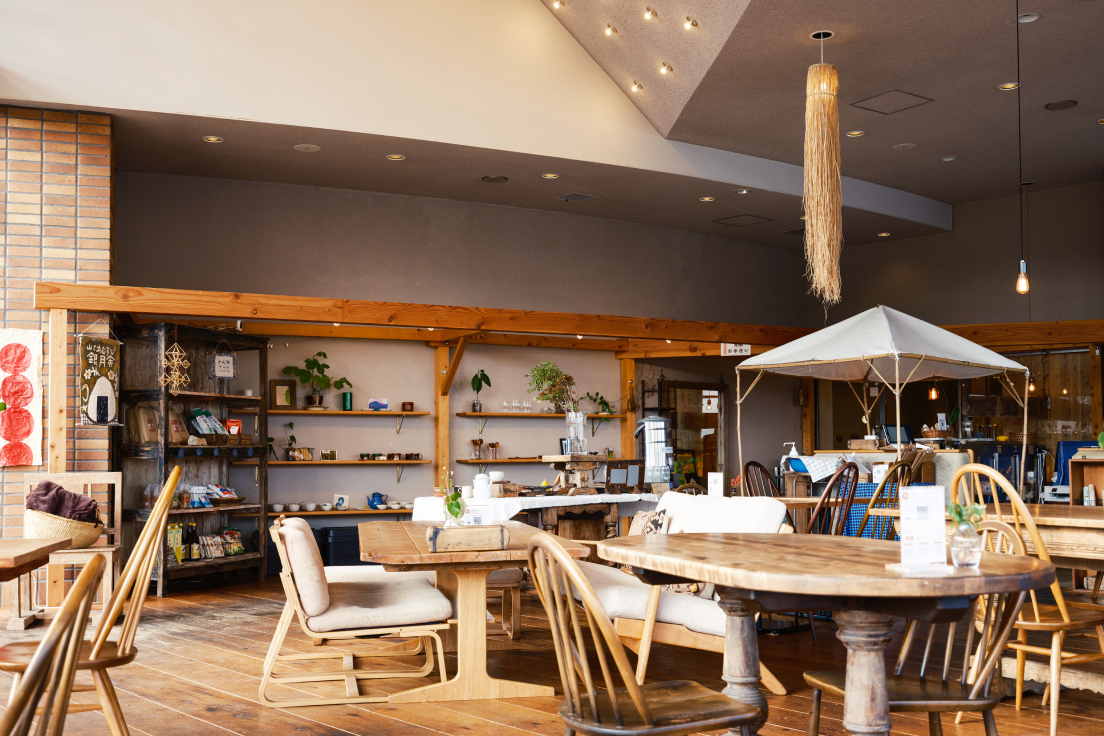
Each dish is meticulously prepared—you can tell the cooks love what they do and are serious about it. It’s as if every meal represents the owner’s dedication and belief in good food.
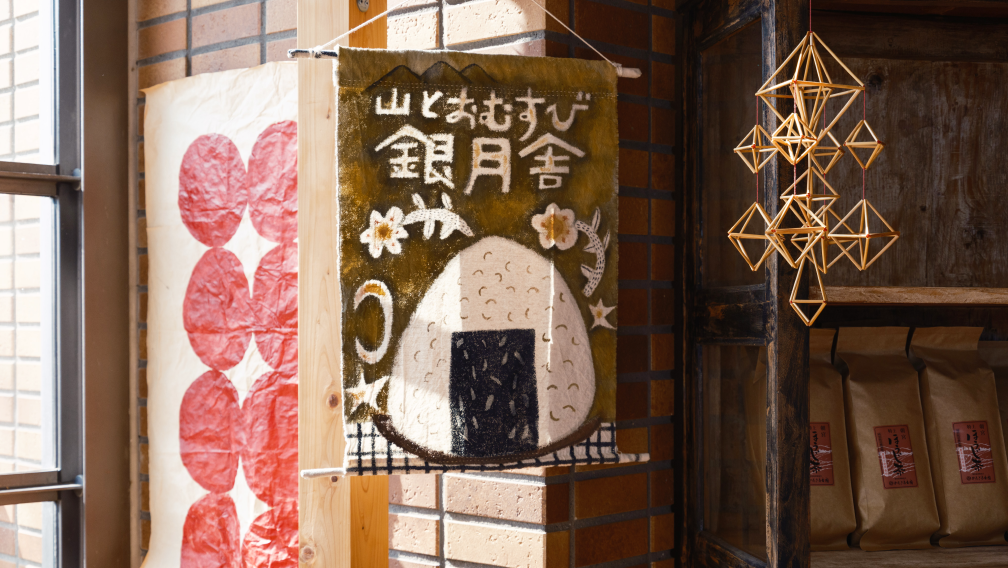
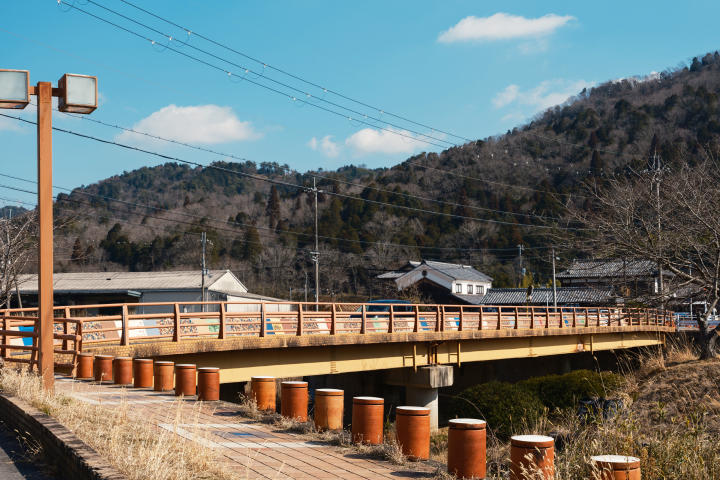
You drive by artwork and decorations inspired by Shigaraki ware on the way to your next destination, enjoying this very pottery-centric landscape.
Shigaraki Pottery Museum: Tracing the history of Shigaraki ware
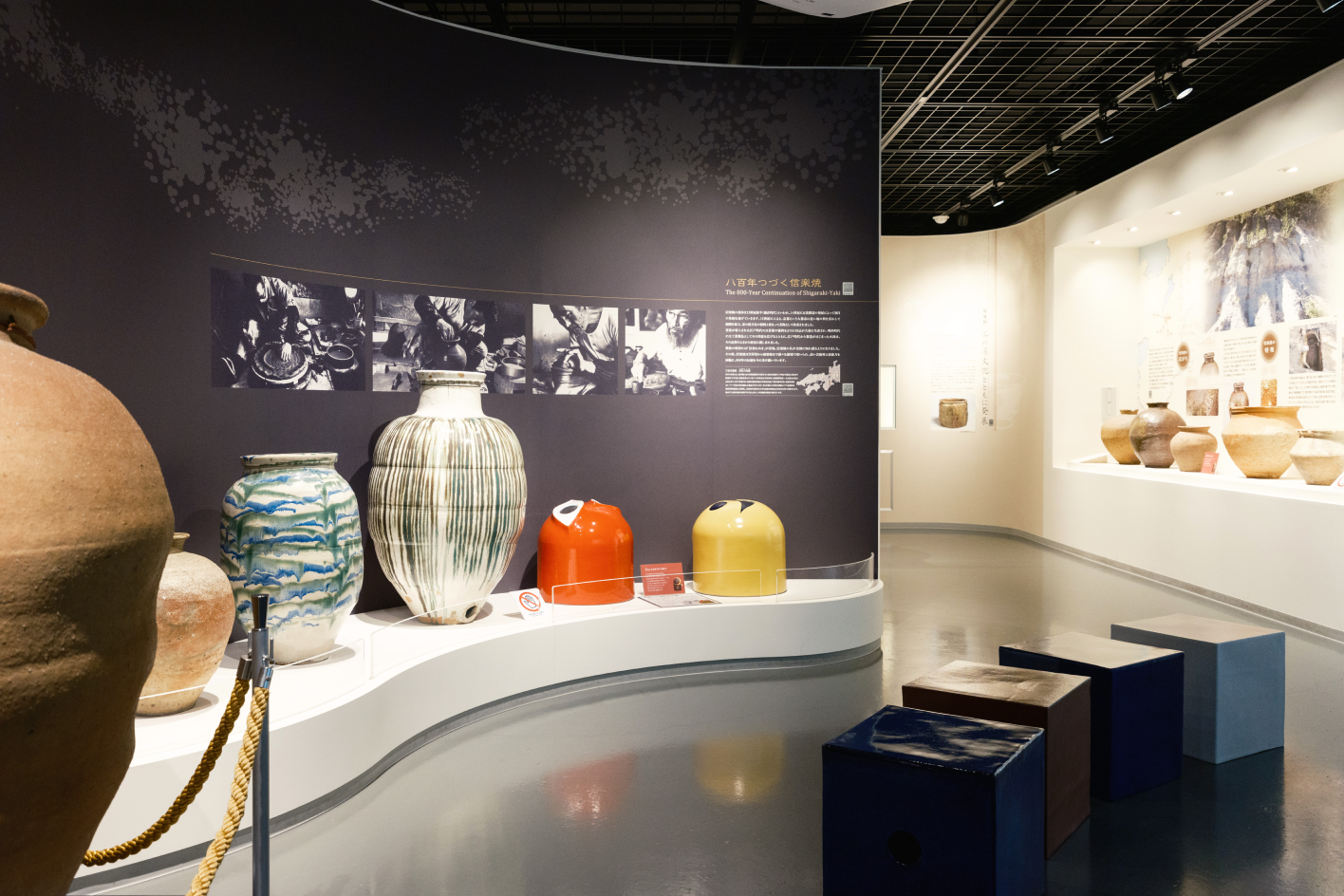
Unraveling the lineage of Shigaraki ware through its history and techniques
You arrive at Shigaraki Pottery Museum, which is very close to Shigaraki Train Station. This cultural space offers a thorough introduction to the history and charm of Shigaraki ware, allowing visitors to learn about its past, its techniques, its connection to daily life, and its development over the centuries.
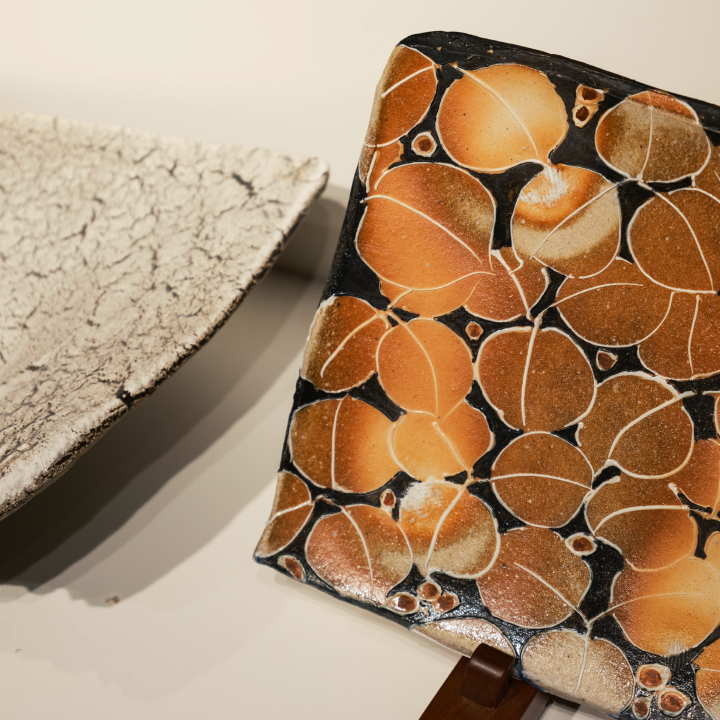
The displays showcase the evolution in meticulous detail, from the age of samurai through to the present day. Starting with ancient pottery like jars and pots, they go on to cover ceramics used in tea ceremonies and modern industrial products, presenting the lineage of the craft in its entirety. This is a place that really connects the yesterday and today of Shigaraki ware. It’s a valuable learning hub, and whether you visit before or after walking around town, it gives you a much deeper insight into Shigaraki.
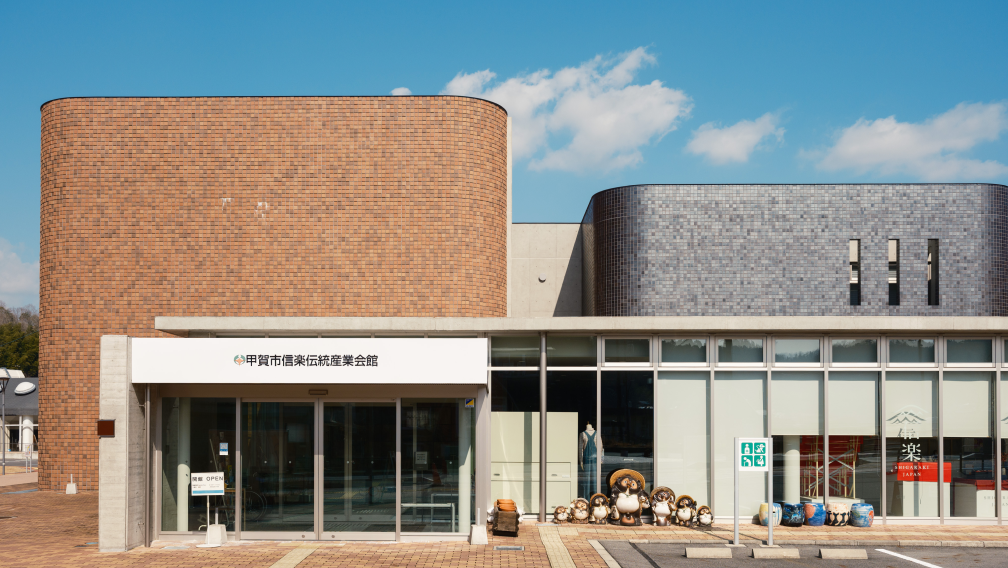
Yukitosha: Time to touch clay
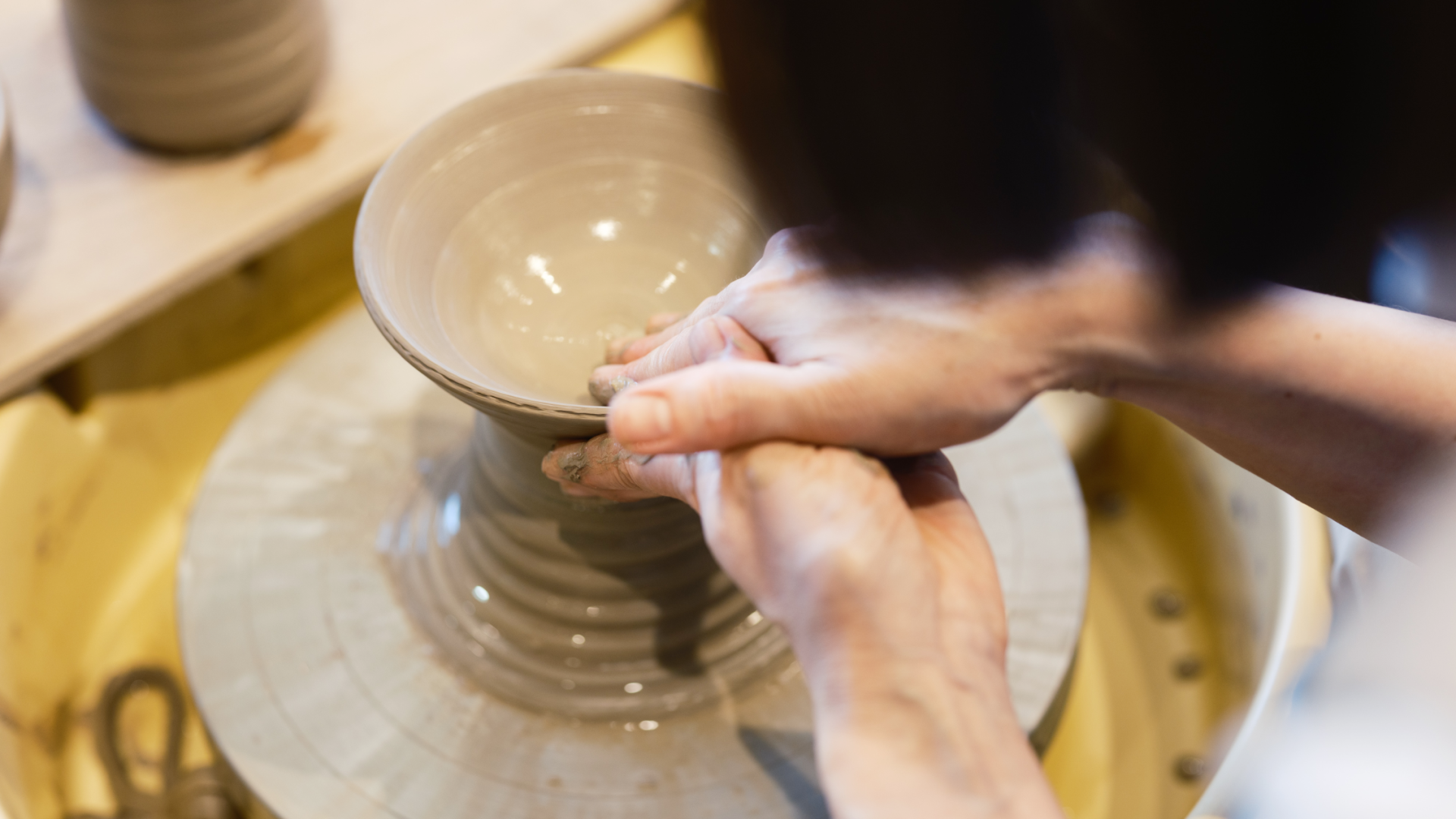
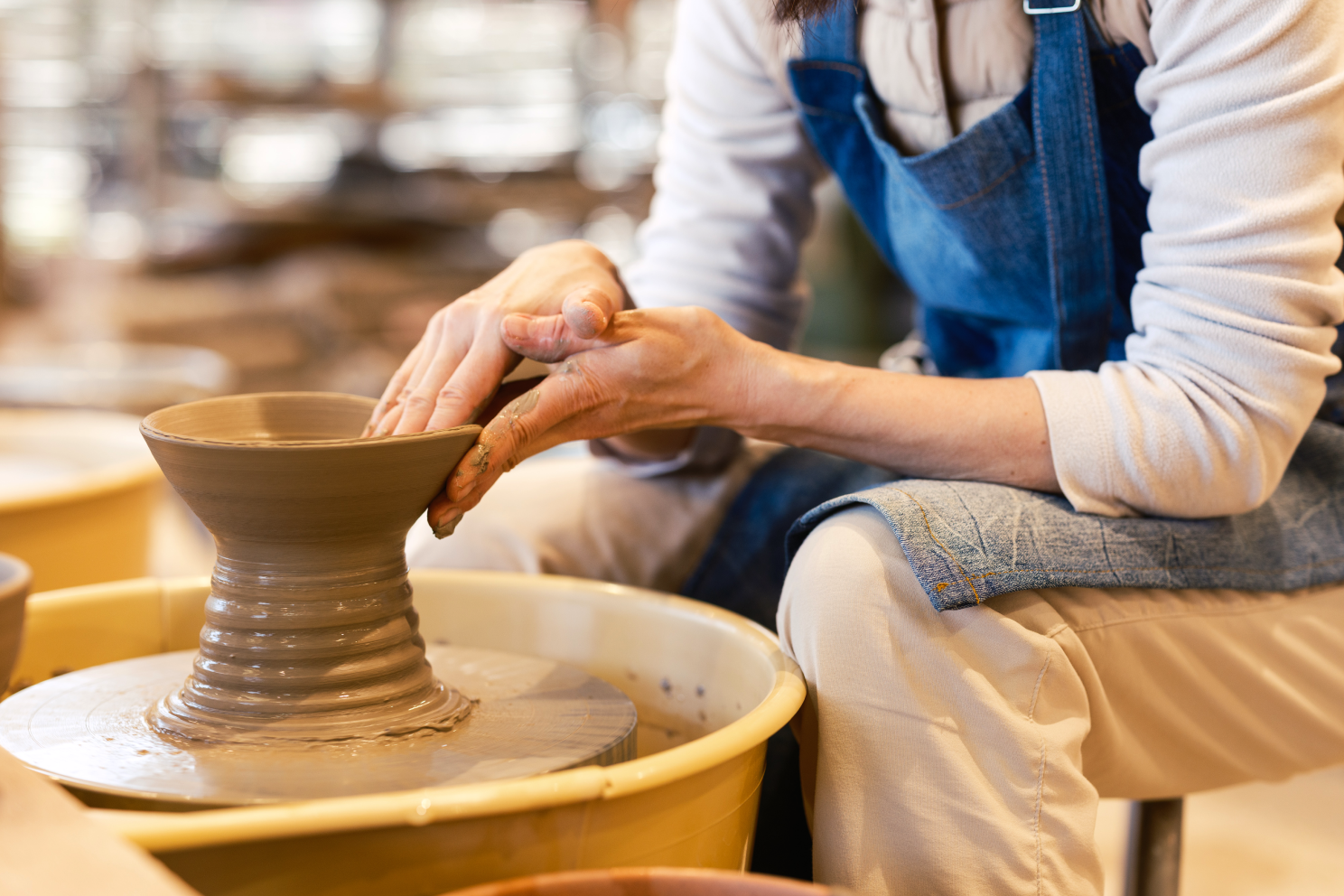
Having learned so much about Shigaraki ware, you’re now keen to try making some yourself. You decide to pay a visit to Yukitosha, which offers workshops that place you right in front of a pottery wheel. You’re greeted by Takehiro Takaiwa , who has a wonderful smile, and he proceeds to give you step-by-step instructions on how to use the electric wheel.
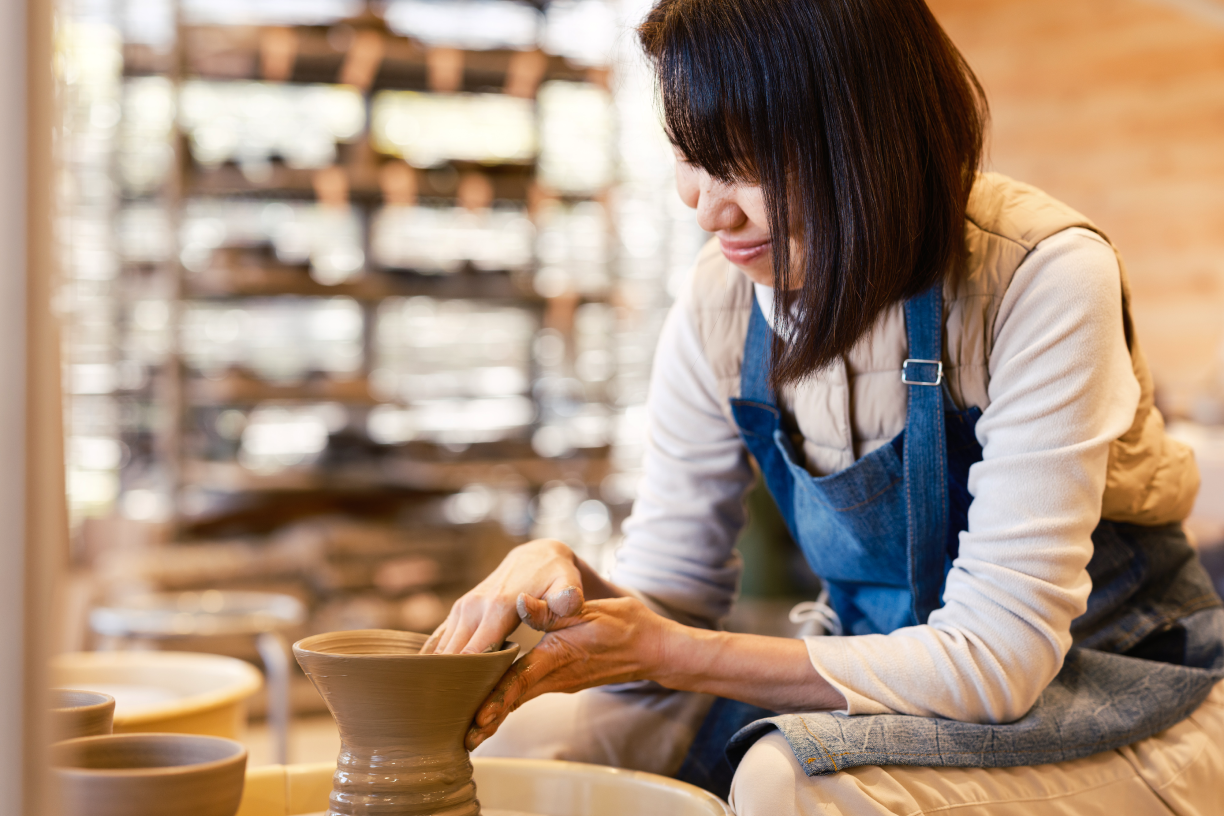
“People have this idea that pottery is difficult,” he tells you, “but people of all ages are trying it out now, from preschoolers to the elderly. We want people to feel that our workshops are open to everyone.” You find yourself more engrossed than you’d expected as you lose yourself in the rotation of the potter's wheel and the feel of the clay at your fingertips.
After you finish shaping your pottery, you can choose your preferred glaze from the samples. Takehiro tells you that it’s too bad you don’t live in Japan; otherwise, he could have the pottery fired and delivered to your home a few weeks later! Still, you can’t help but wonder what kind of finish it will have—a thought that brightens your already exciting day.
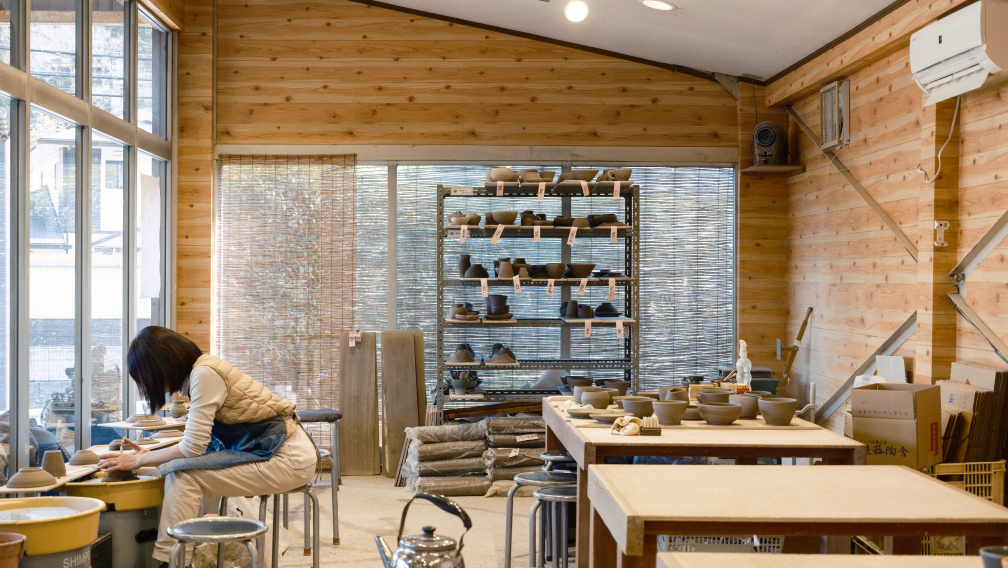
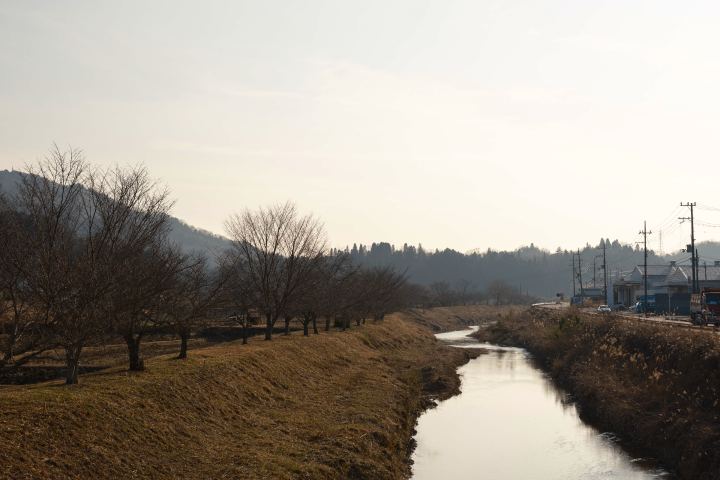
After your absorbing pottery experience, you head to your accommodation for the night—the Fairfield by Marriott Kyoto Minamiyamashiro.
A night among tea plantations at Fairfield by Marriott Kyoto Minamiyamashiro
You check in to the hotel in the village of Minamiyamashiro. Tea plantations stretch into the distance all around. The staff inform you that although the famous Uji tea gets its name from the fact that the wholesalers are located around Uji, about 70% of it is actually cultivated in the area around the village.
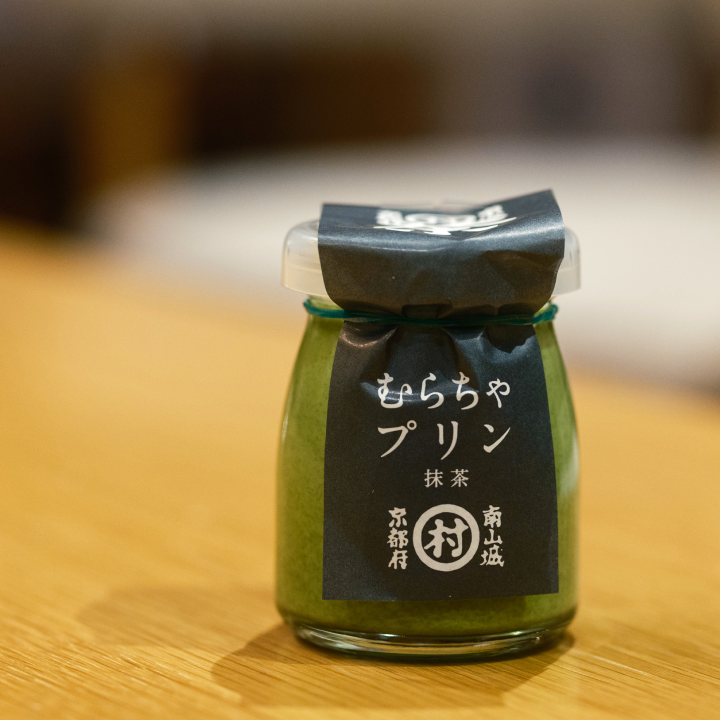
Peeking into the Marketplace adjacent to the Lobby Lounge, you spot some jars of Muracha matcha pudding. It’s made by the neighboring Michi-no-Eki Ocha no Kyoto Minamiyamashiro and has proved immensely popular—700 jars were once sold in a single day. Michi-no-eki are roadside stations that exist all across the country, offering local food, produce, crafts, and tourist information.
The luxurious pudding, made with plenty of Uji tea, has a rich, savory flavor with just a hint of bitterness, and a smooth texture that makes it the perfect dessert. You make a mental note to stop by the michi-no-eki tomorrow.

Per Night Per Room from ¥15,730