

A coastal drive with stunning views of Shima Peninsula and Kami-shima island
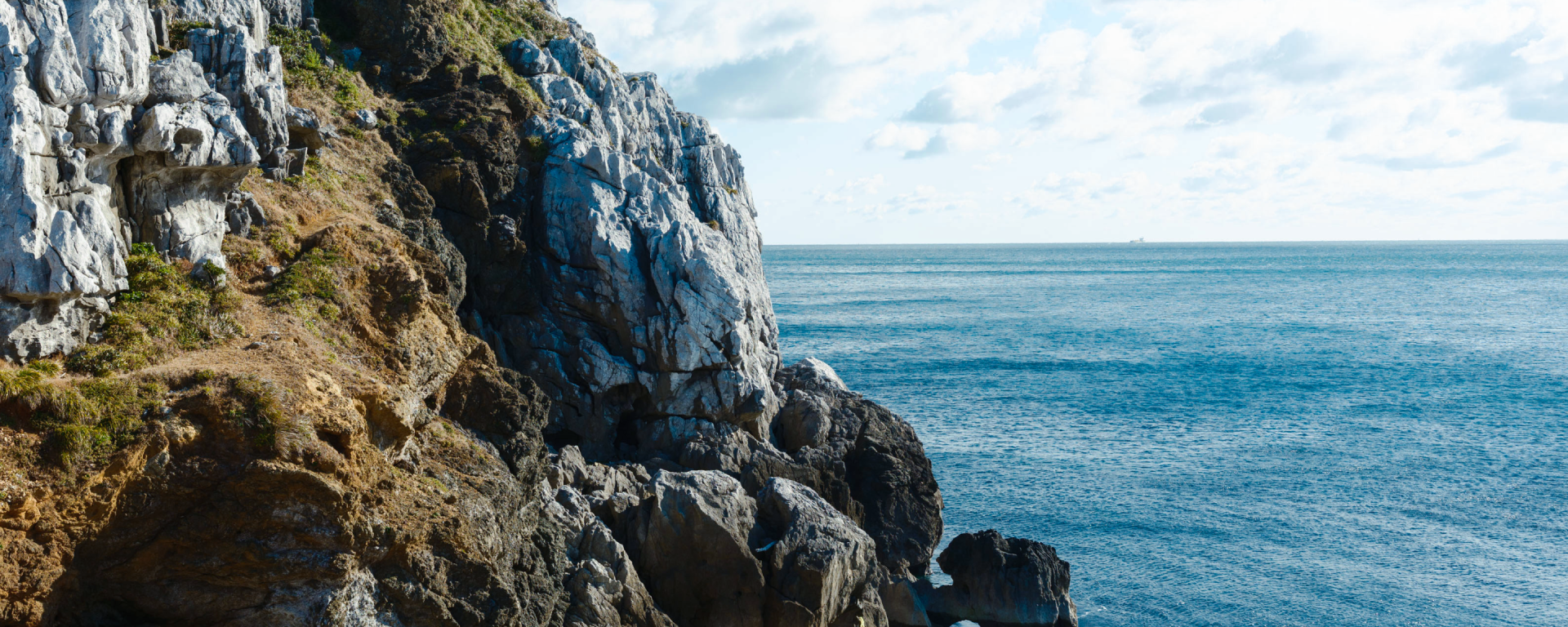
Fourteen kilometers (8.5 miles) offshore from the city of Toba, Kami-shima is one of several islands in Ise Bay. It’s a place long believed to be a seat of the gods, but what really put it on the map was when Yukio Mishima used it as the setting for his novel The Sound of Waves. You’ve decided to spend two days not only exploring the secluded island but also getting a taste of the magical scenery and seafood of Shima Peninsula.
※Please note that the information provided is accurate as of the time of publication. Some products may no longer be available, or details may have changed.
By ferry to Kami-shima
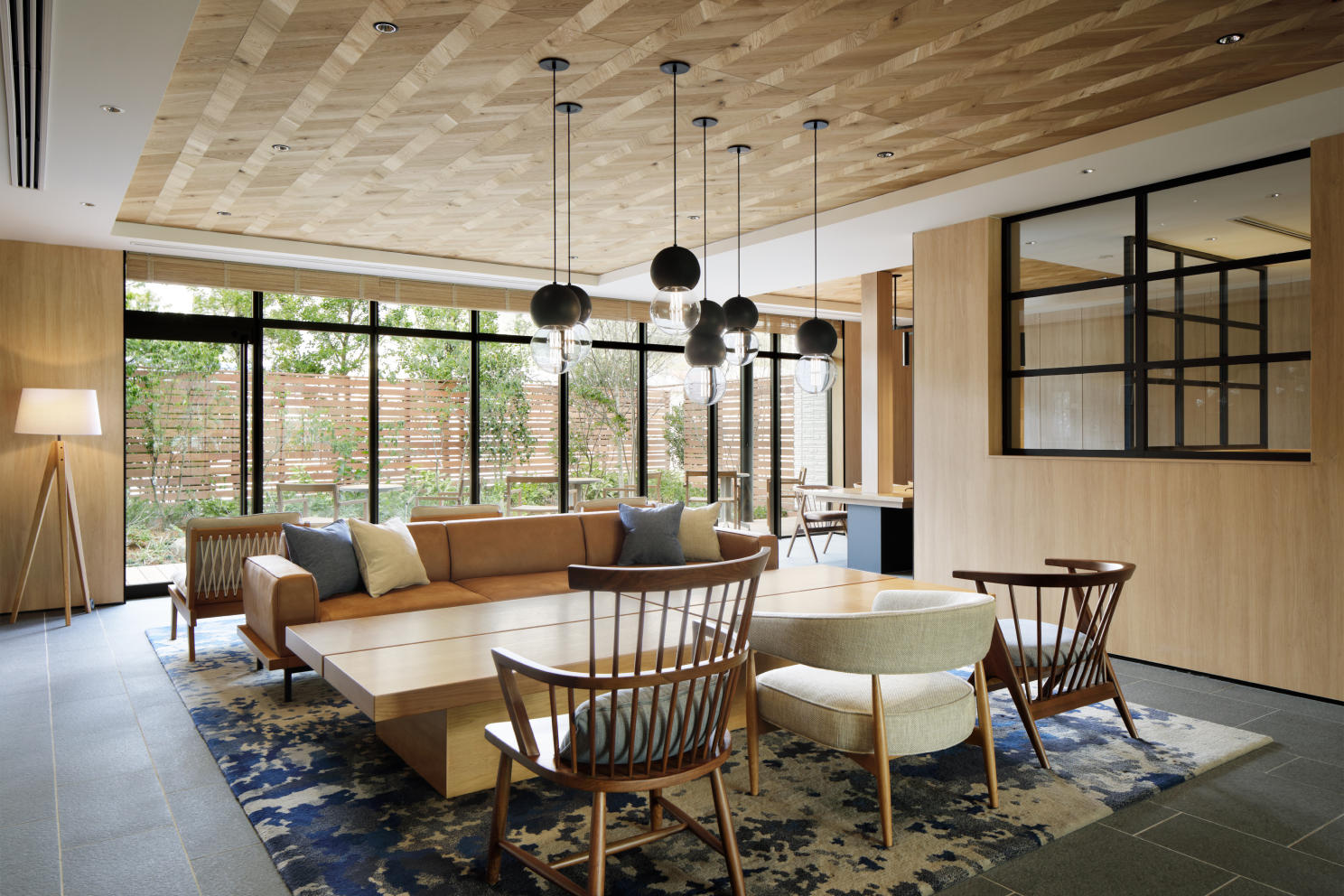
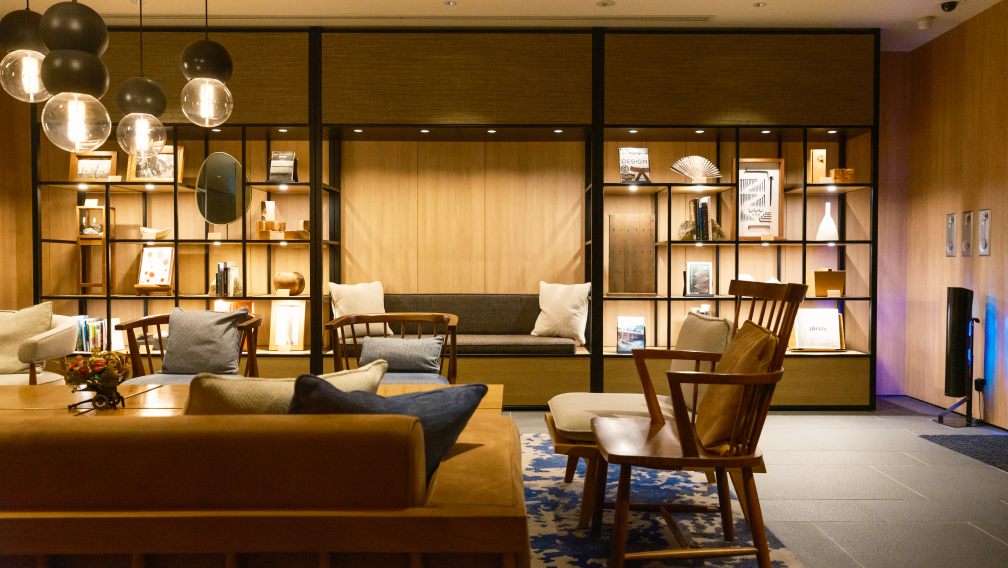
You’ve chosen to stay at the Fairfield by Marriott Mie Okuise Odai, which is nestled in Odai’s quiet mountain valley and should provide you with a perfect base for traveling around Shima Peninsula.
08:00 Nagoya Train Station
10:00 Depart from Toba Marine Terminal
11:30 Kami-shima
12:00 Lunch at Sankaiso Inn
15:00 Depart from Kami-shima
16:30 Futami Okitama Shrine
18:30 Fairfield by Marriott Mie Okuise Odai
Day 1 Total Travel Distance 234.1km
Day 1 Total Travel Time About 5 hour and 5 minutes
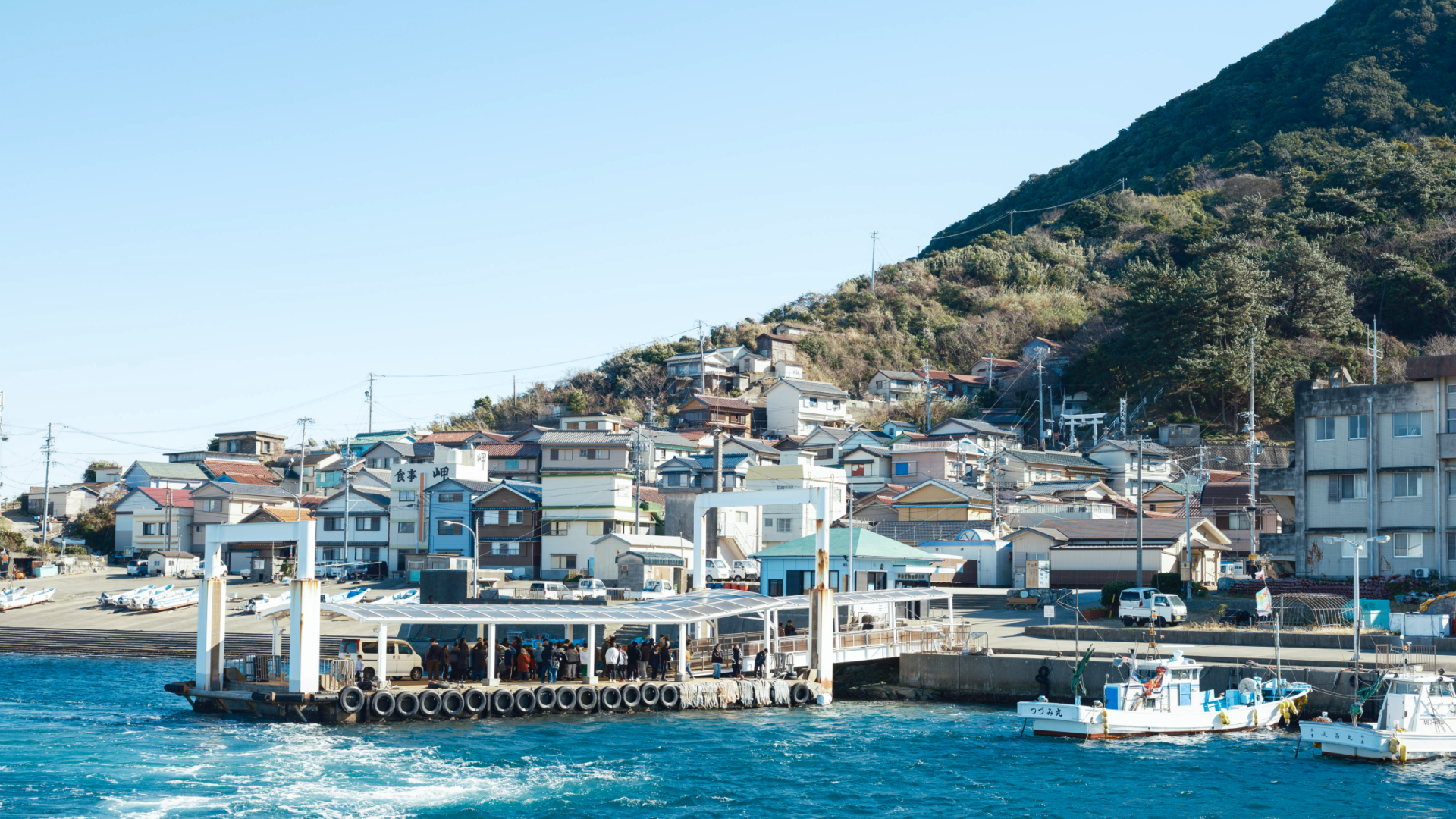

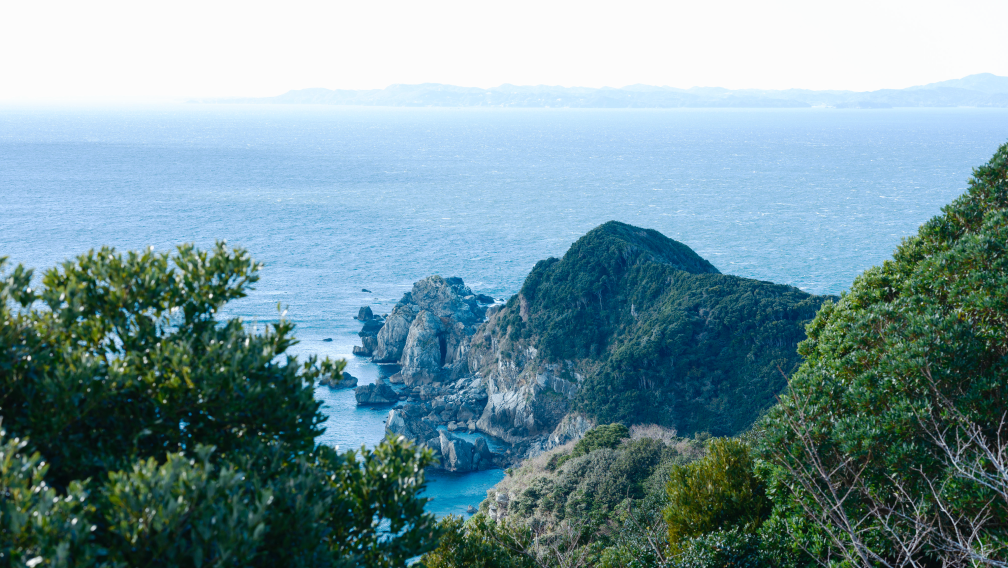
You’re planning to begin Day One with a trip by sea, crossing Ise Bay aboard one of the scheduled ferry services to Kami-shima. The island isn’t big—its perimeter is just under 4 kilometers (2.5 miles)—but you hope that a stroll all around its coast will give you ample opportunity to savor locally caught seafood and experience island life.
***

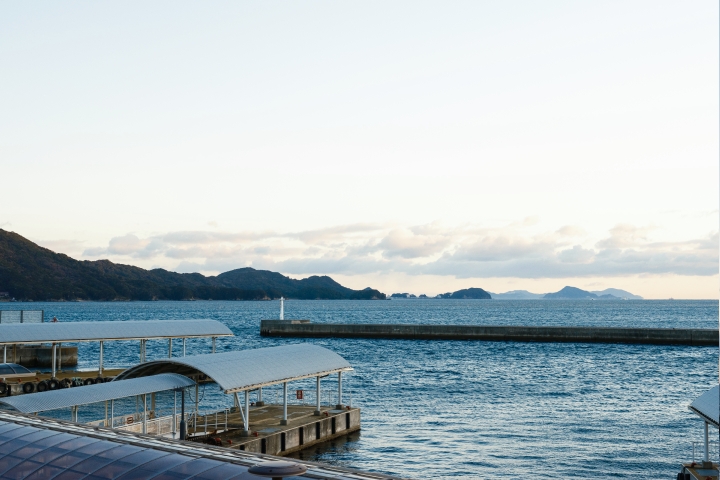
Driving south from Nagoya Station on the Ise Expressway, you head toward the marine terminal from where you’ll travel to your first destination: Kami-shima.
Kami-shima: Roaring waves and breathtaking sights
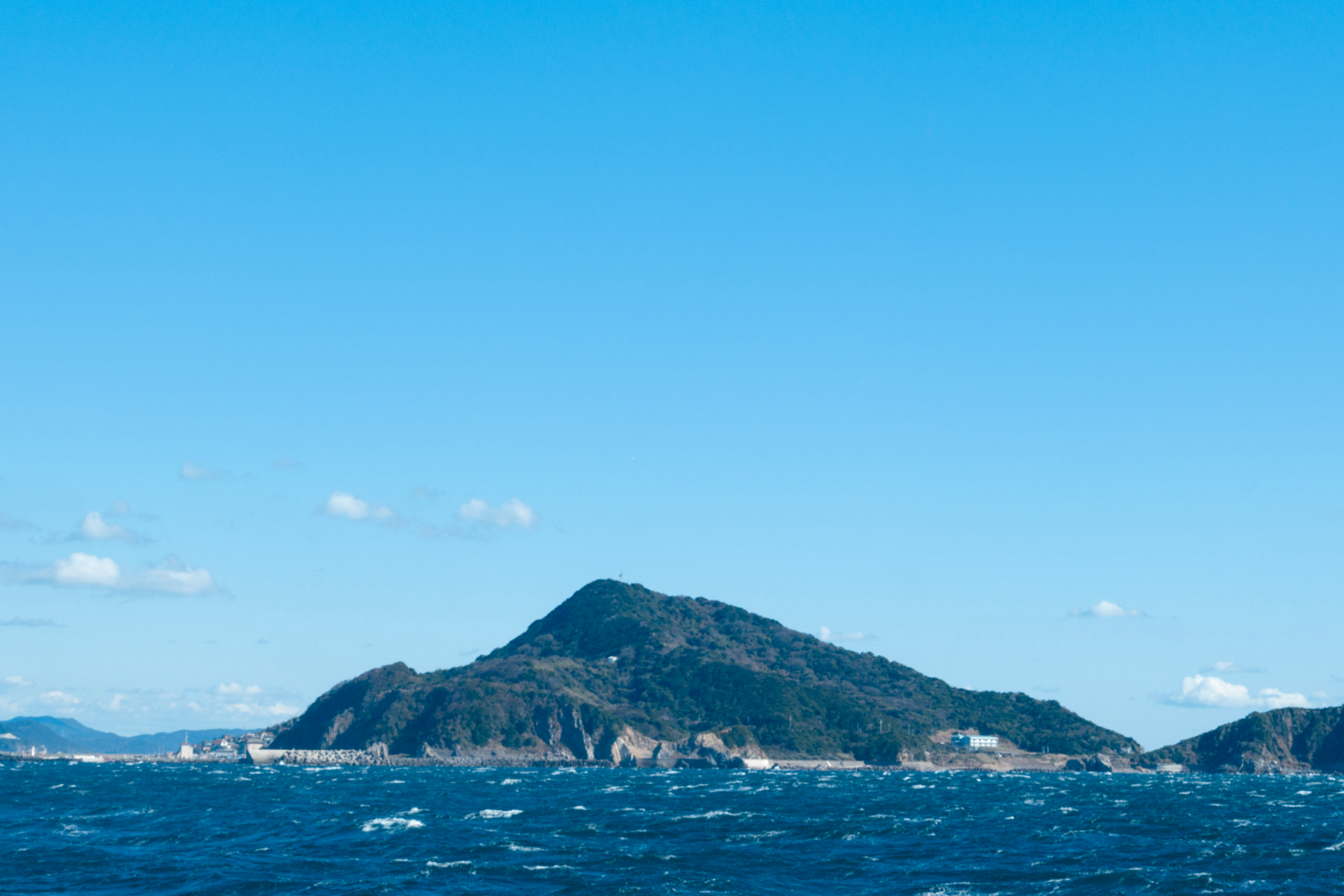
The enchanting blues and whites of a sacred island
Some 40 minutes by ferry from the marine terminal, the sound of the waves grows louder as you approach the entrance to Ise Bay and Kami-shima comes into view. It's an island approximately 14 kilometers (8.5 miles) northeast of Toba’s port, with a coastline of just under 4 kilometers (2.5 miles). The fresh sea breeze is accompanied by a tinge of excitement as you head to this isolated spot, and you feel a strange sense of exhilaration rising inside you.
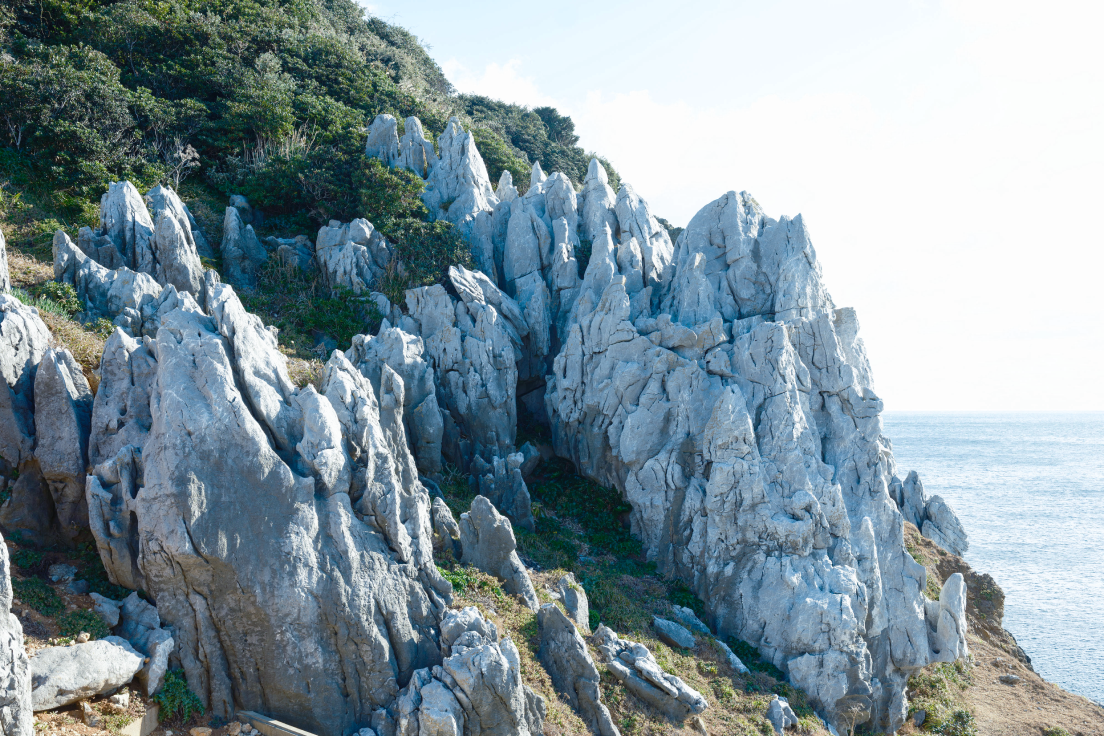
As its Japanese name suggests, Kami-shima has for years been considered an island inhabited by the gods, and many colorful folk customs remain. It’s even said that scores of sacred treasures from the 3rd to 16th centuries are still hidden there. Some people might know it as the setting for Yukio Mishima's novel The Sound of Waves.
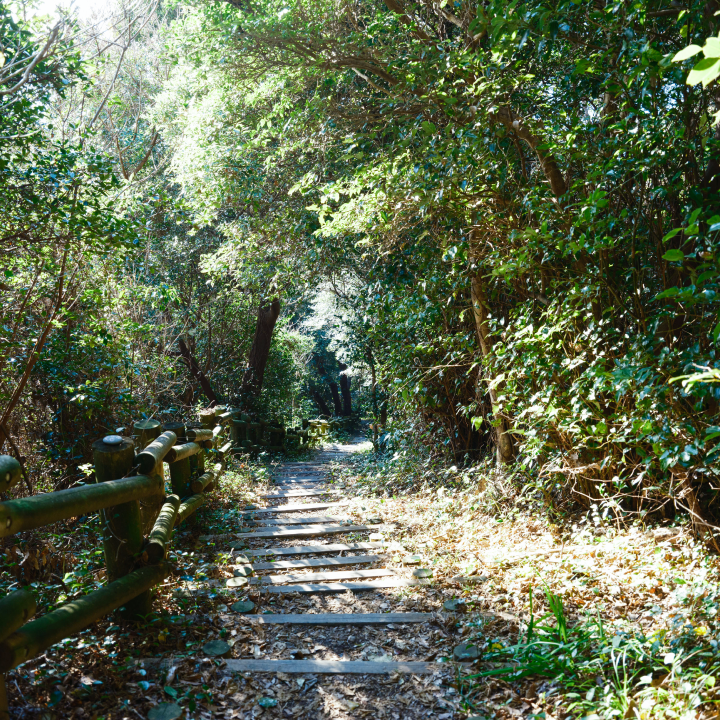
You chose Kami-shima as the starting point for this journey around Shima Peninsula because of its unique karst topography, the weathered limestone giving rise to an enchanting landscape. Leaving the pier and passing through the village, you climb Yashiro Shrine’s stone steps and find yourself on a pleasant forest path. Following it until a lighthouse comes into view, you see the ruins of an old observation post beyond, also depicted in the climactic scene of The Sound of Waves. Here on the eastern side of the island, you marvel at the striking contrast between the white of the towering rocks and the blue of the sea beyond.
Sankaiso : Seeking out Kami-shima delicacies
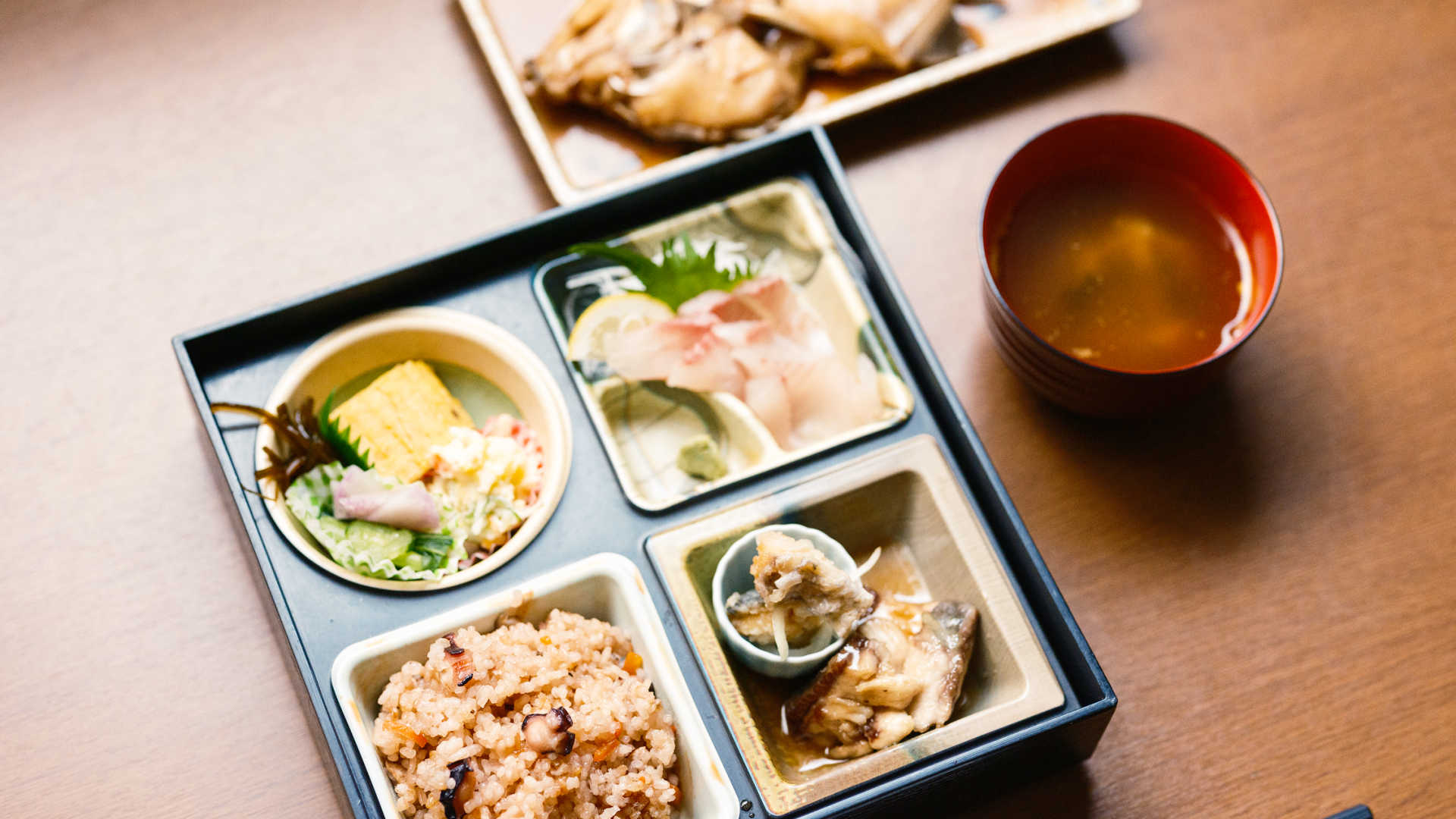
There’s a place you’ve been longing to visit on Kami-shima: Sankaiso. A lunch at this there is the perfect reward for walking the perimeter of the island. You make a reservation so there’s no chance of missing out on all the fresh fish sourced from the island's market—not to mention Sankaiso's house specialty, tako-meshi, rice cooked with Kami-shima’s famous octopus.
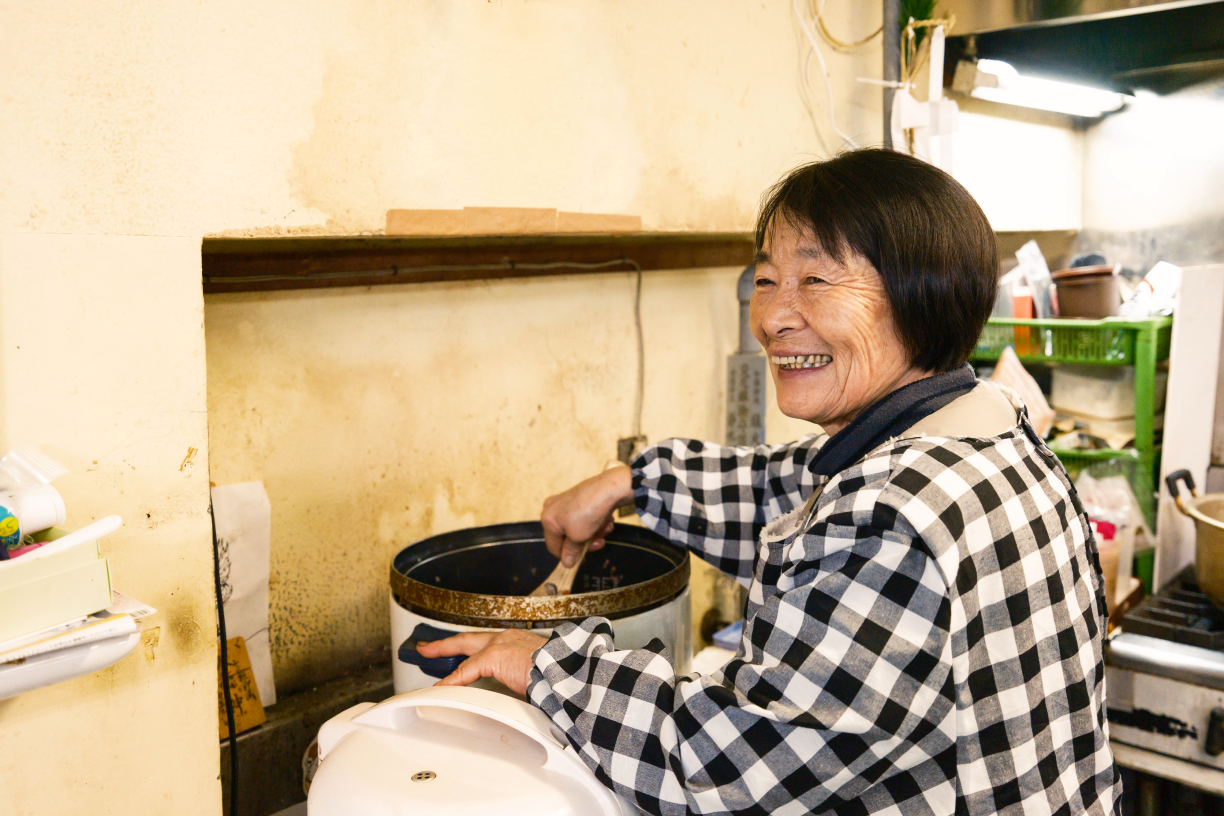
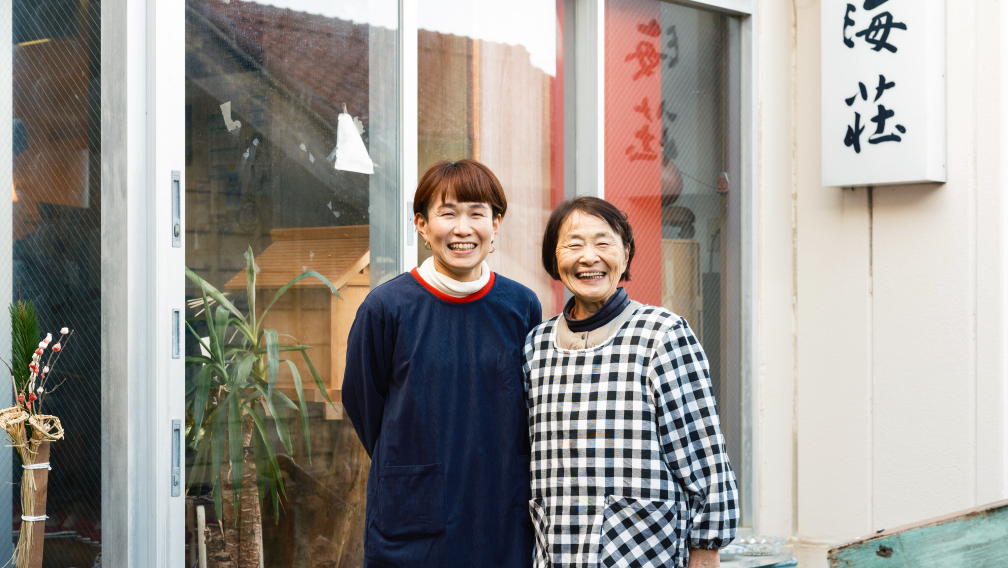
The owner, Akiko Yamamoto, started serving the dish 20 years ago when her son, Kinji, returned to the island and began working at the inn. Since then, it has become her signature dish. It’s such a favorite among the establishment’s regular customers that the same question accompanies almost every reservation: “Will tako-meshi be on the menu?”
The thickly sliced chunks of octopus have a satisfying bite, their flavor deliciously complementing the soy sauce broth with every mouthful. You learn that the fish of the day is filefish. As you savor the delectably simmered fresh catch, you reflect on how quickly your island adventure is passing.
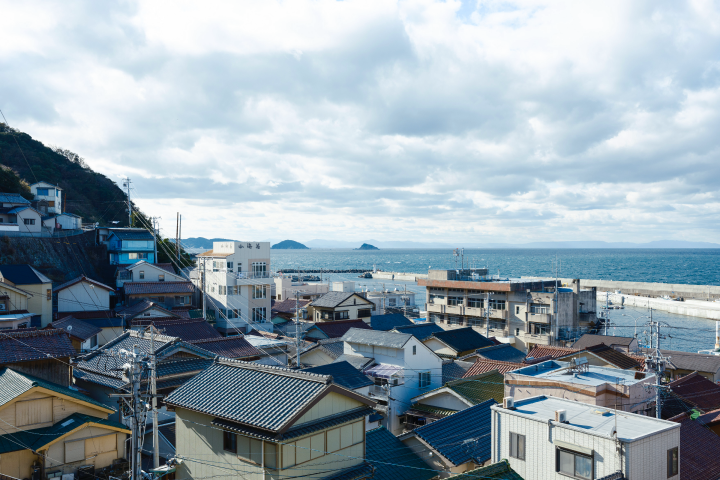
Aboard the return ferry, you gaze across Ise Bay as Kami-shima slowly disappears into the distance. Back at the marine terminal, you get into your car and head toward Futami Okitama Shrine.
Futami Okitama Shrine and Meoto Iwa: Prayers beyond the blue
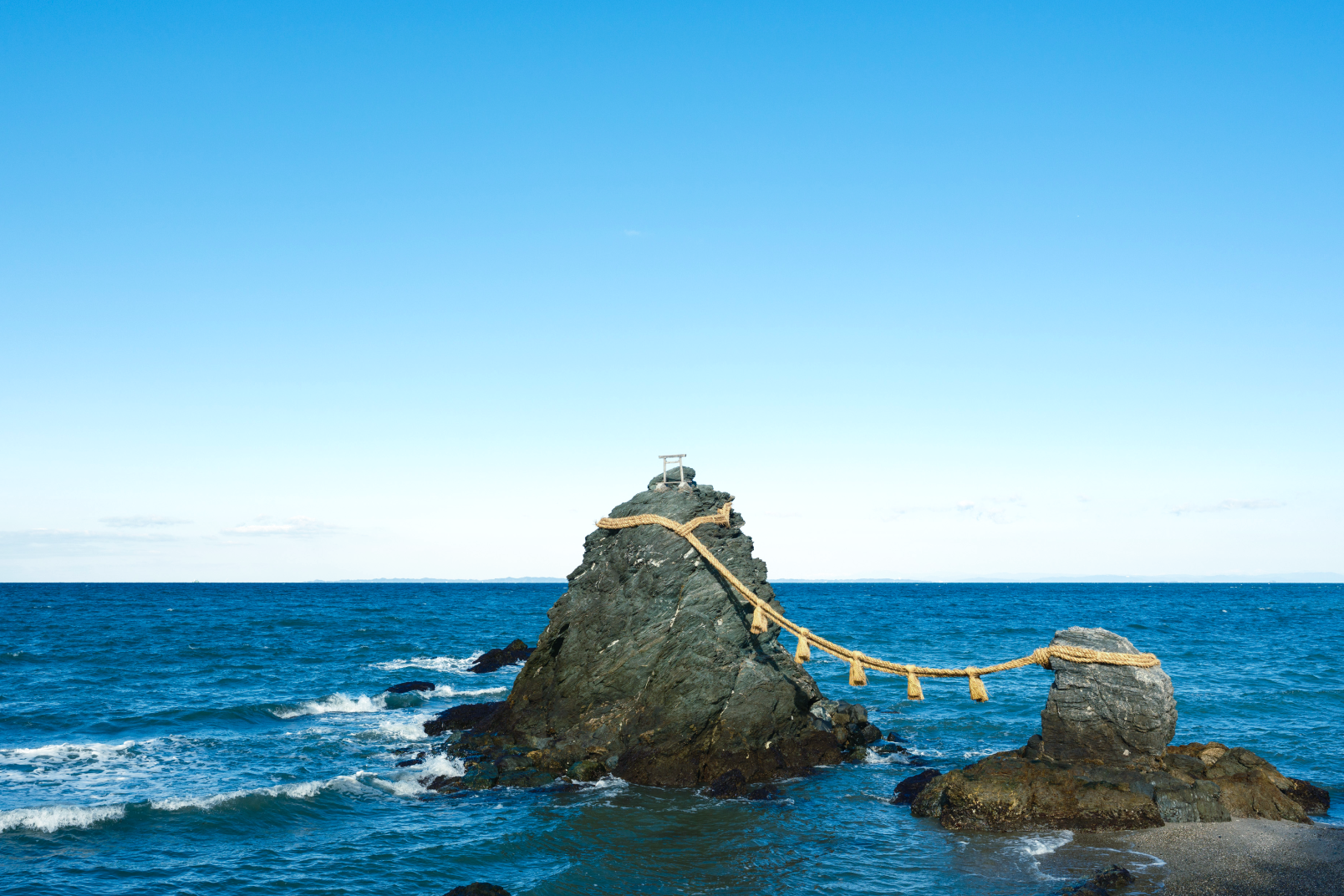
The tale of two rocks sitting side by side
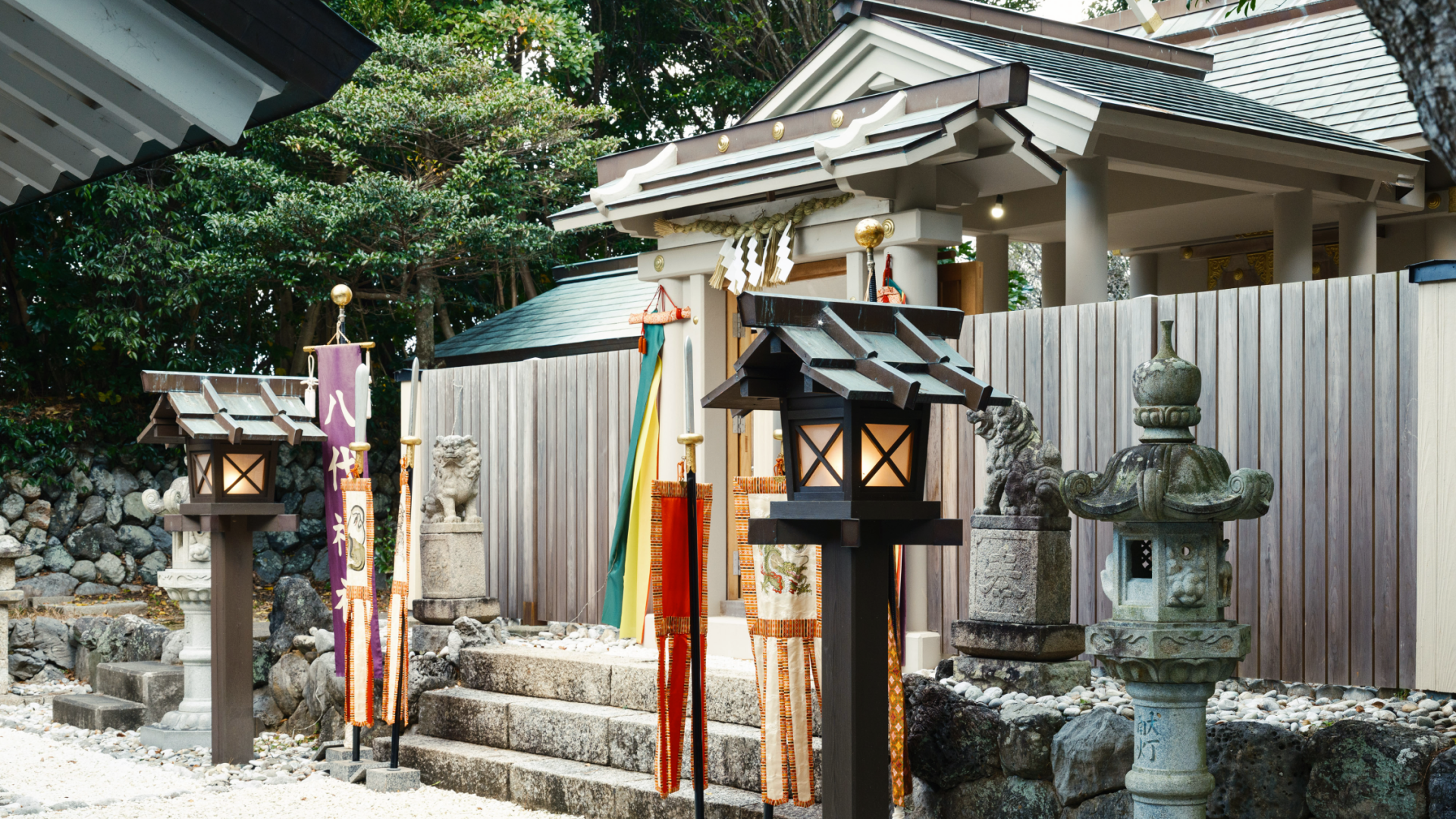
Futami Okitama Shrine has long been considered a place for purifying the body and soul prior to making a pilgrimage to the Ise Shrine, one of the most sacred sites in Japan. Worshippers once performed a cleansing ritual in the waters of the nearby river delta before heading to Ise Shrine’s outer and inner complexes. Two rocks just offshore of Futami Okitama Shrine are famously known as Meoto Iwa (“wedded rocks”)—the larger rock (Oiwa) being the husband and the smaller rock (Meiwa) the wife. The enduring image of them joined by a sacred rope is a symbol of marital harmony, good fortune in relationships, and family safety.
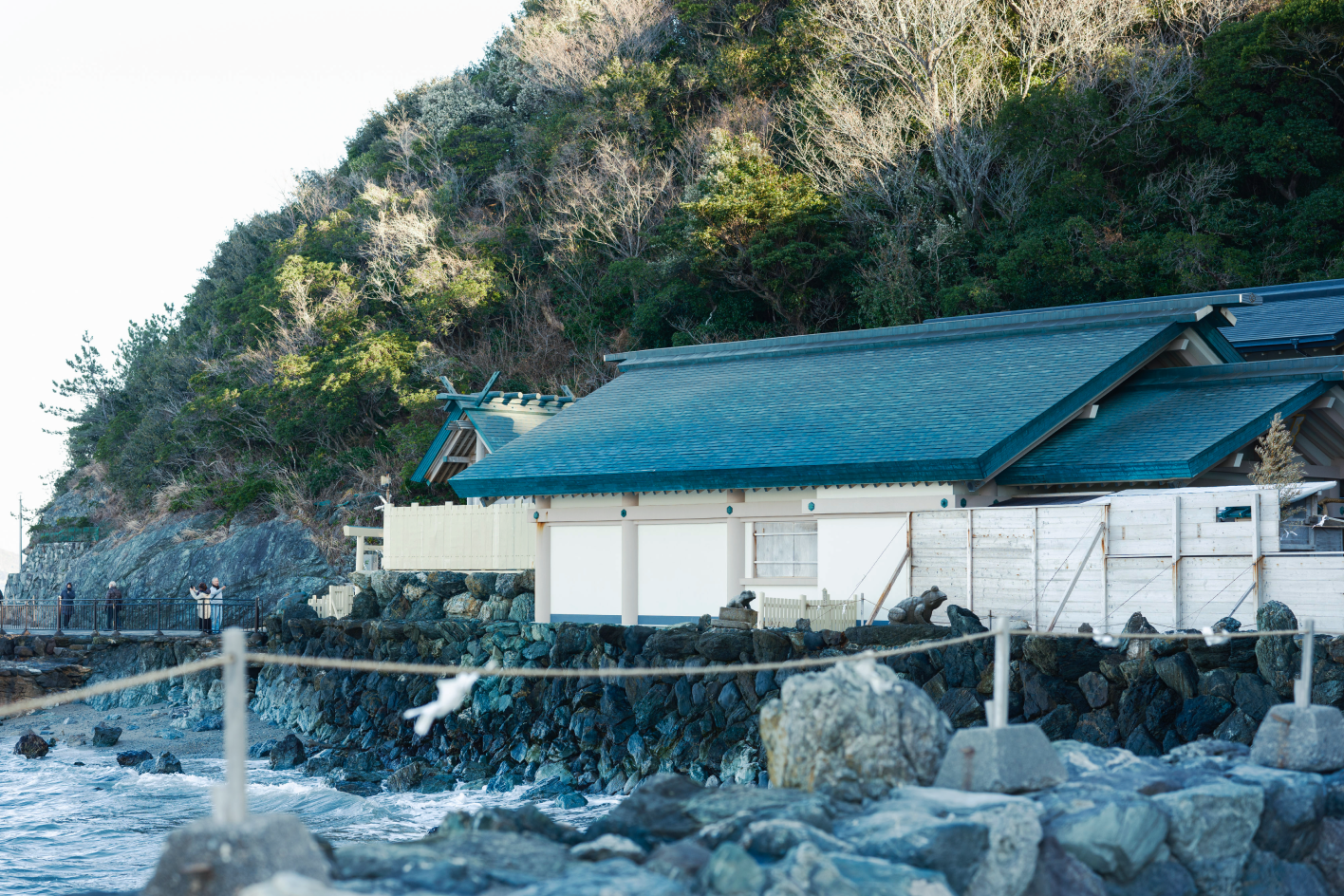
The two rocks, faithfully remaining at each other’s side despite the constant battering of the waves, are a real hallmark of Shima Peninsula, where nature and faith intertwine. Amidst the constantly shifting landscape of the sea and sky, the Meoto Iwa stand steadfast and solemn, silently listening to the prayers of all who visit.
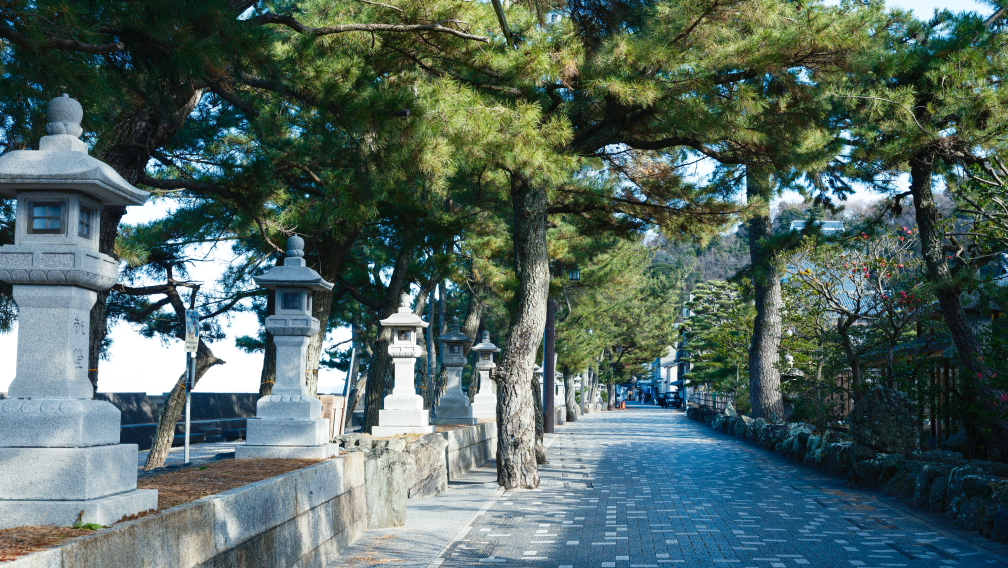
To Fairfield by Marriott Mie Okuise Odai
Having arrived in Odai and checked in to the hotel, you’re keen to pick a good place for dinner. You ask the hotel staff for recommendations, and they’re able to suggest several nearby restaurants. Just to be safe, they go so far as to contact the establishments for you to confirm they’re open, since the rural setting here does mean there are limited options.
You can tell how much the staff care for the town from their cheerful tone. Interactions like this give you a sense of affinity for a place when you’re on the road. It’s one of the joys of traveling, especially when you go off the beaten path.
Per Night Per Room from ¥15,730