

A journey through subterranean wonders and art and culture in Utsunomiya
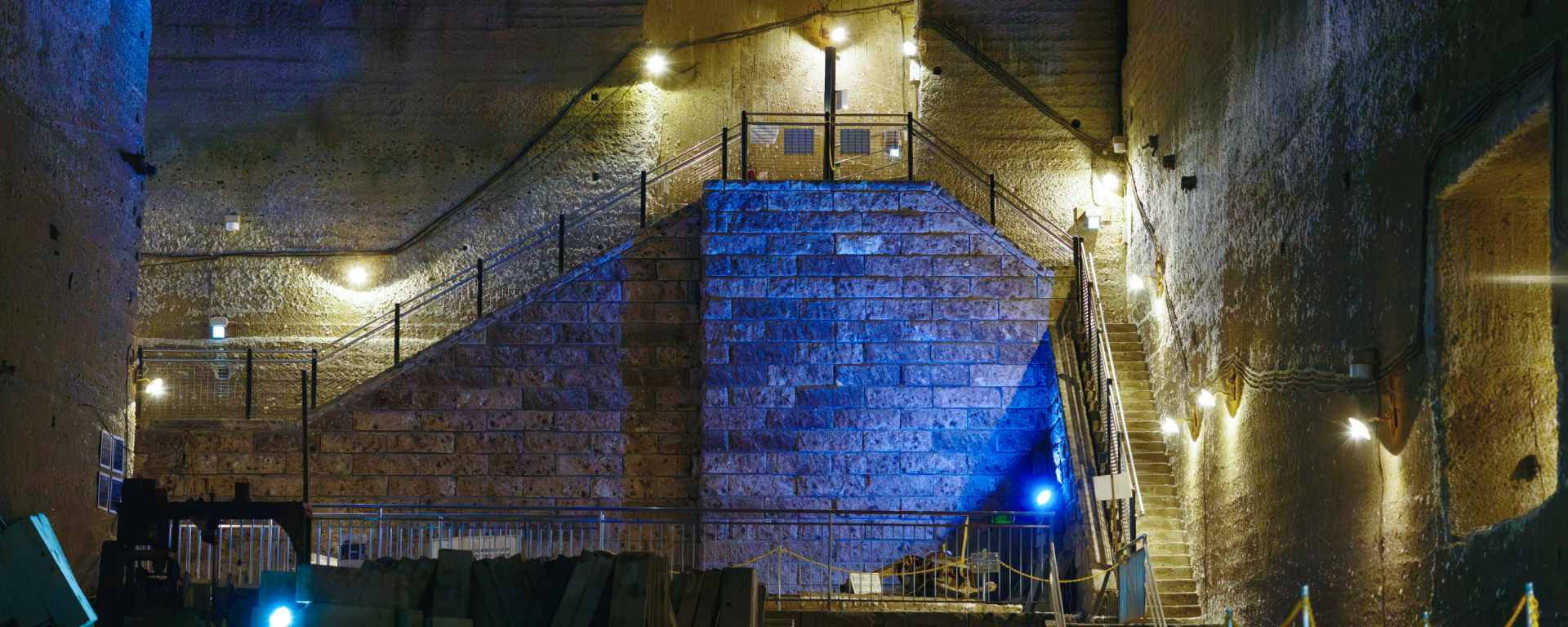
An approximately two-hour car ride from Tokyo, Utsunomiya is an easily accessible city in Tochigi that brims with culture, great food, and adventure. You’re planning a two-day trip there that will take you through many famous sites, including Utsunomiya’s landmark Oya History Museum, the historical Tagesan Fudoson and Oyaji temples (the latter of which houses Japan's oldest stone Buddha), Wakayama Farm’s bamboo forest, and the Utsunomiya Museum of Art.
Utsunomiya’s charms as a travel destination
8:00 Tokyo Train Station
10:00 Oya History Museum
12:00 Oyaji
13:00 Lunch at Punto
14:30 Wakayama Farm
16:00 Michi-no-Eki Utsunomiya Romantic Village
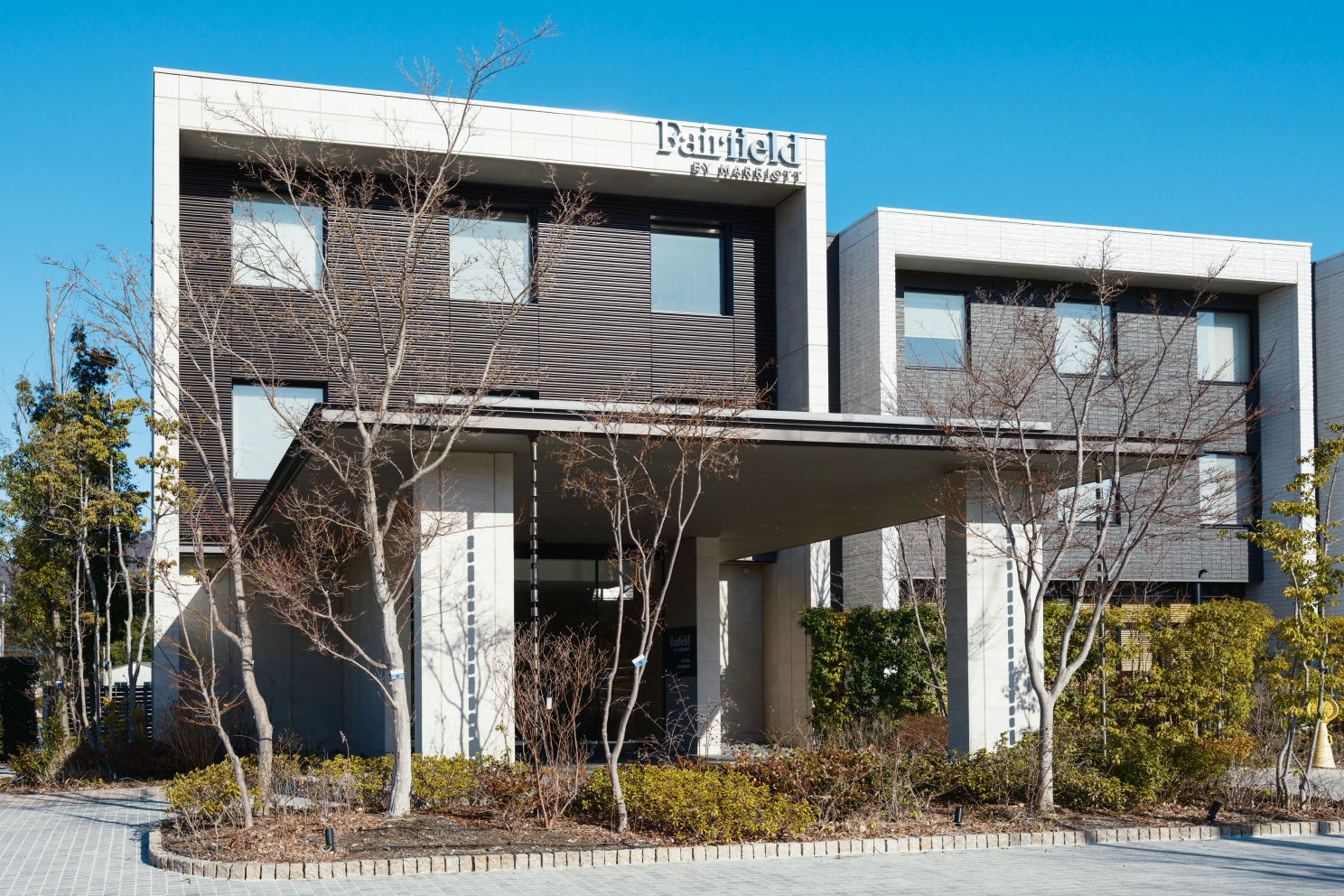
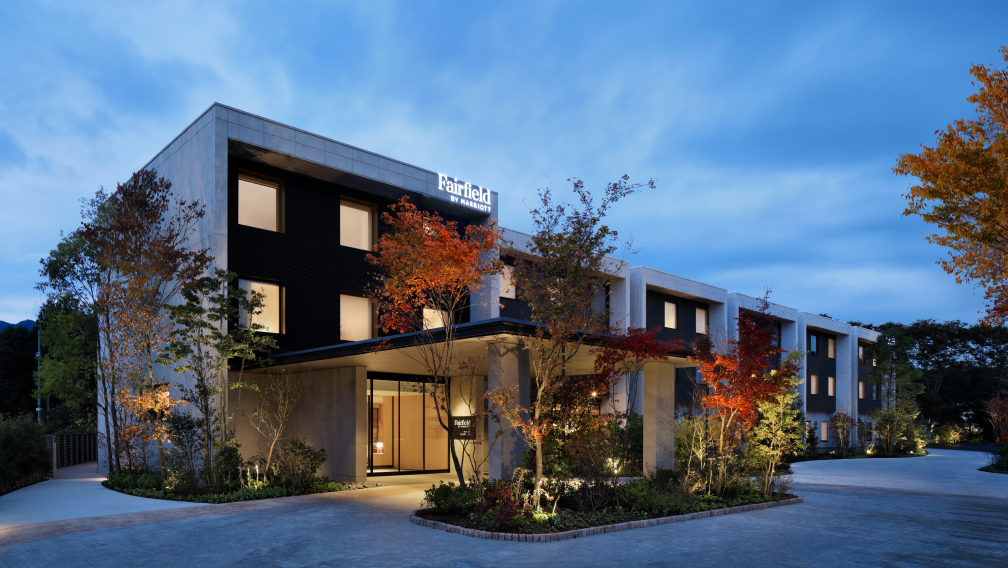
17:00 Fairfield by Marriott Tochigi Utsunomiya
Day 1 Total Travel Distance 151.19km
Day 1 Total Travel Time About 3 hours 10 minutes
In Japan, many people associate Utsunomiya with its famous gyoza dumplings. But there’s so much more to discover. The city is dotted with places where you can enjoy its distinctive nature, culture, and history. You intend to start your trip with a visit to one of Utsunomiya’s flagship attractions, the Oya History Museum, but you’ve placed plenty of lesser-known sights on the agenda, too.
***
140 km (88 mi.) / 120 min.

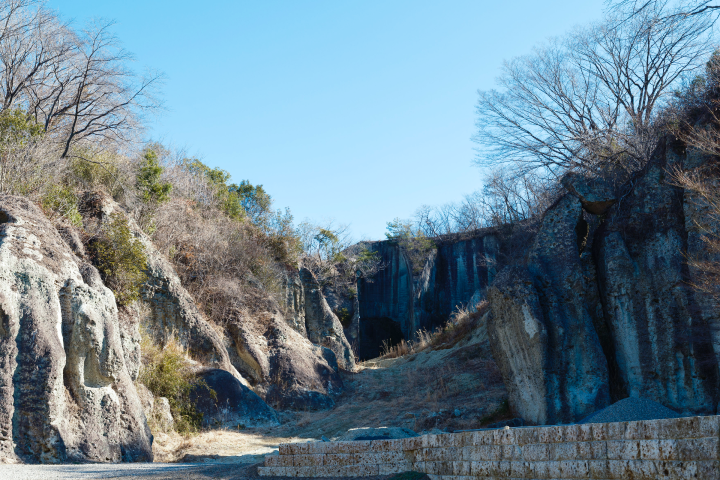
You head north on the Tohoku Expressway towards Utsunomiya’s Oya district, known for producing Oya stone.
The Oya History Museum: A vast underground quarry
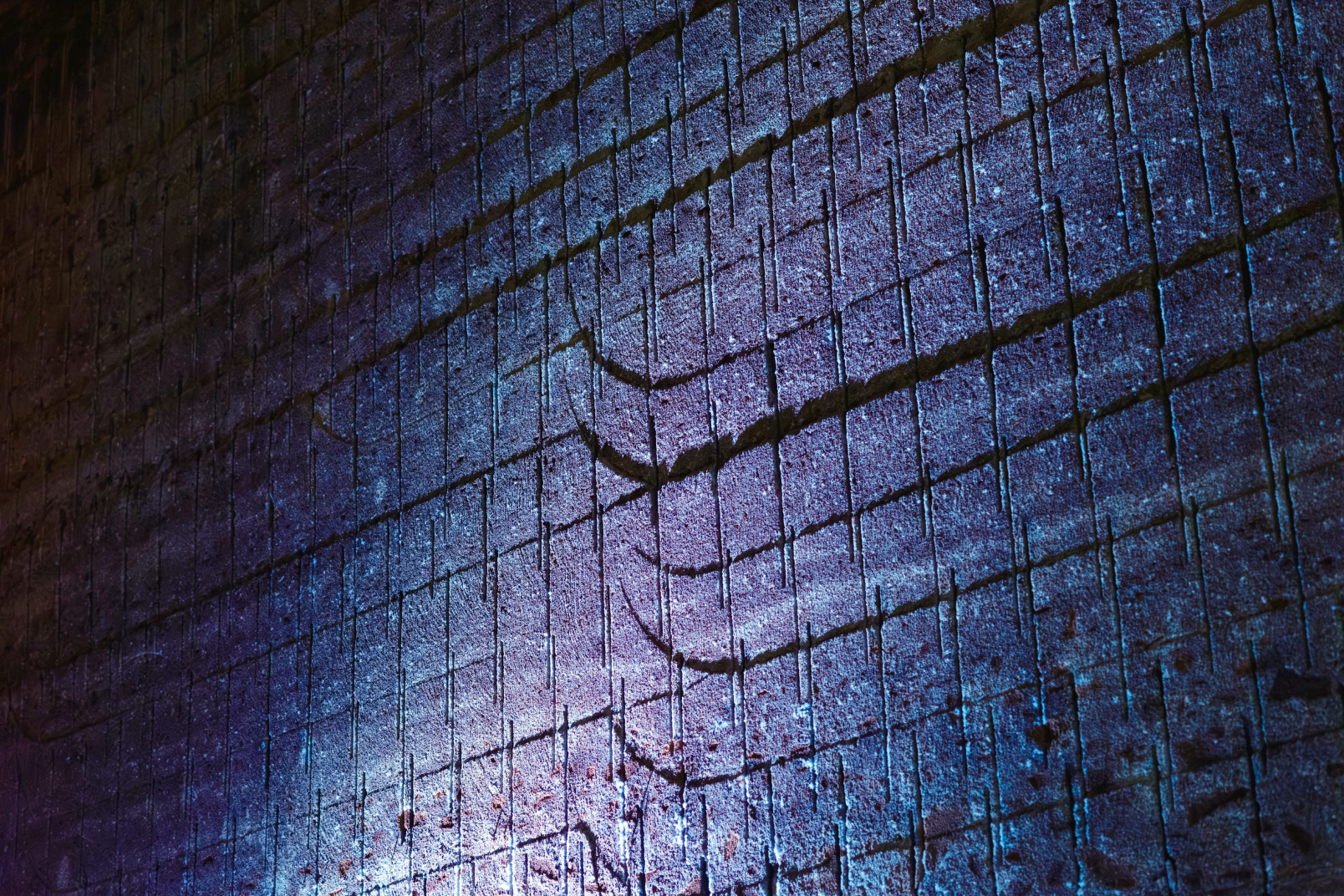
The history of Oya stone carved into a subterranean world
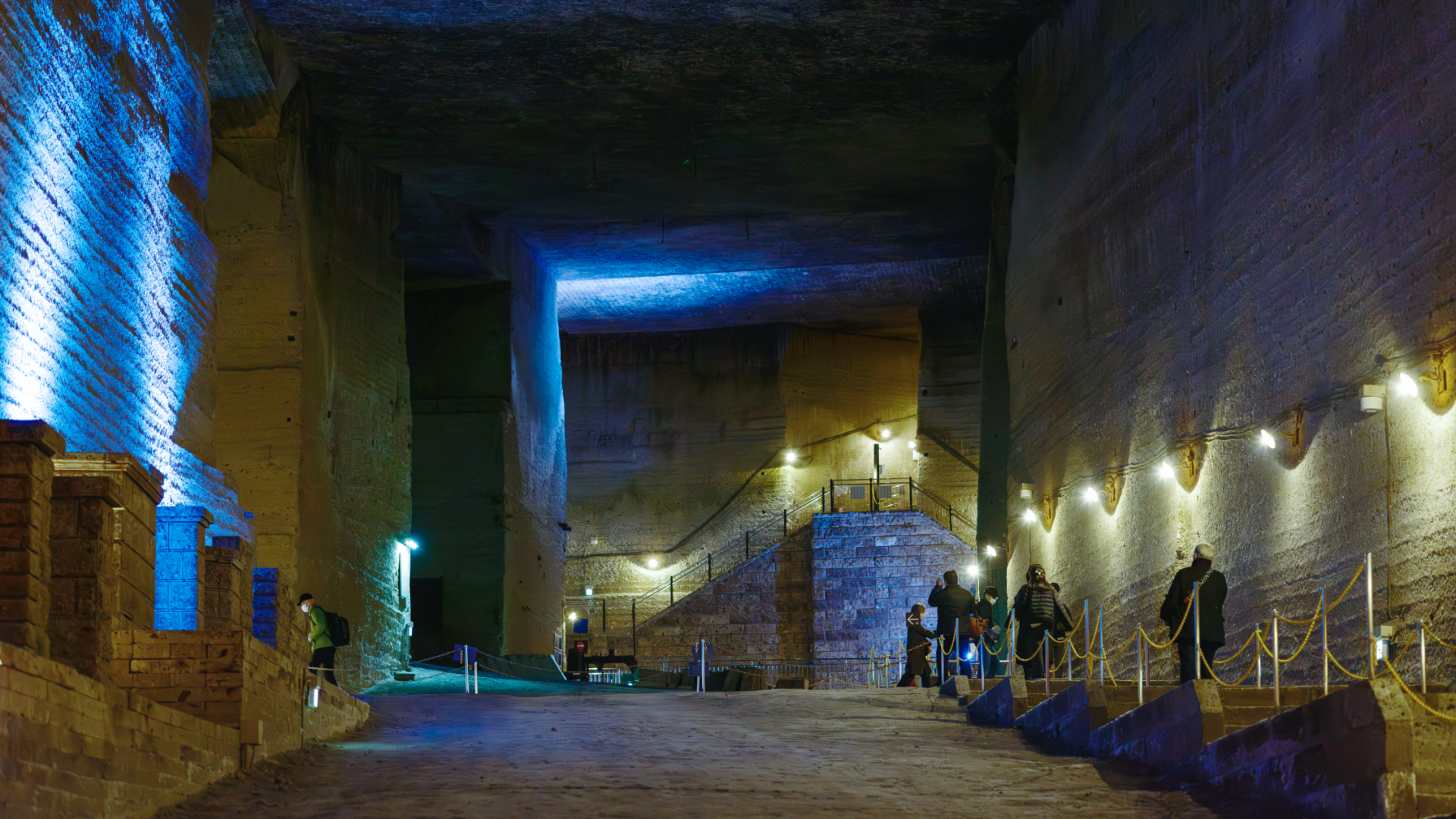
You arrive at your first destination, the Oya History Museum, which showcases the history and culture of Oya stone extraction. The remains of the vast underground quarry, which lies about 30 meters (100 feet) beneath the surface and covers an area of some 20,000 square meters (215,000 square feet), are open to the public. The rock was excavated over many years using a combination of manual labor and machinery. It’s a unique spectacle, with massive stone pillars lining the cavernous space as if it were an underground temple.
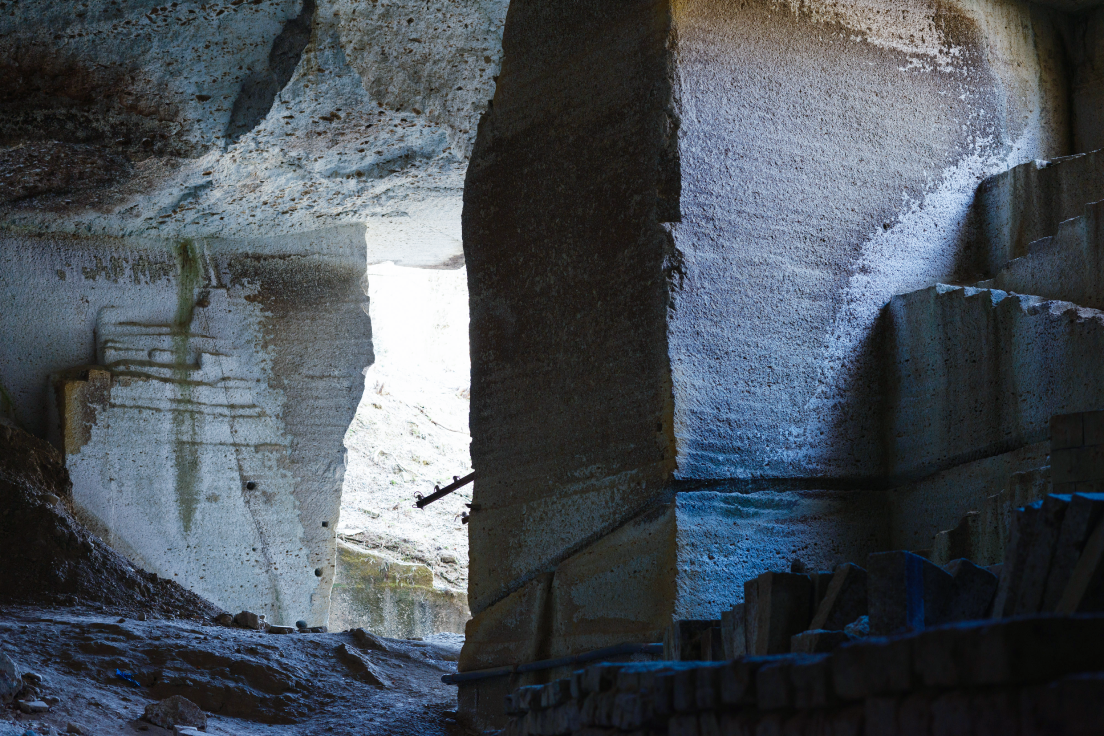
During World War II, the quarry was used as a warehouse and military aircraft factory. After the war, it became a storage facility for state rice supplies. Because of its distinctive setting, the space is often used today as a filming location for movies, TV shows, and music videos, as well as a venue for art exhibitions and events. You’re surprised to find such an otherworldly place so close to the city center of Utsunomiya.
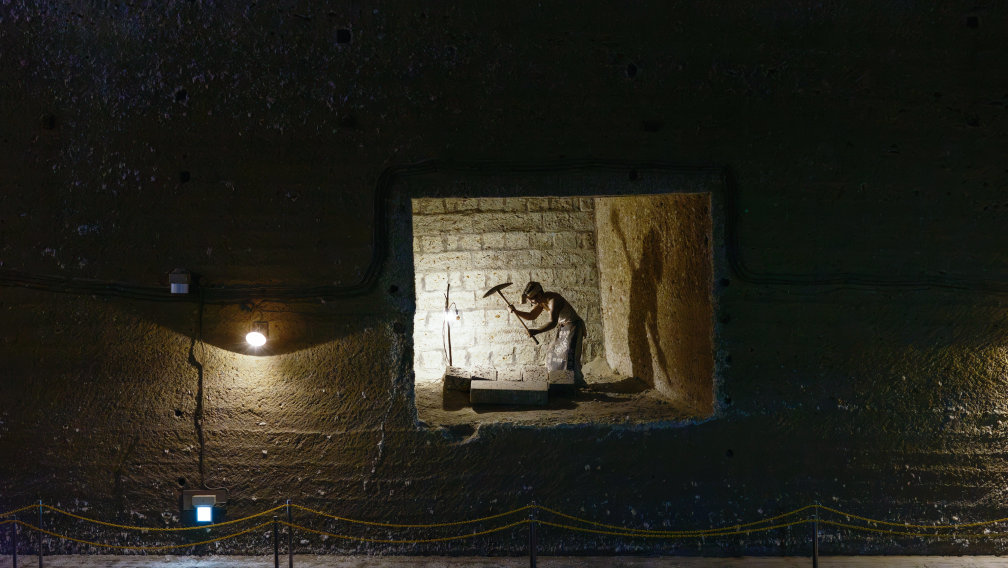
Oyaji: A temple with a thousand years of prayers carved into the rock
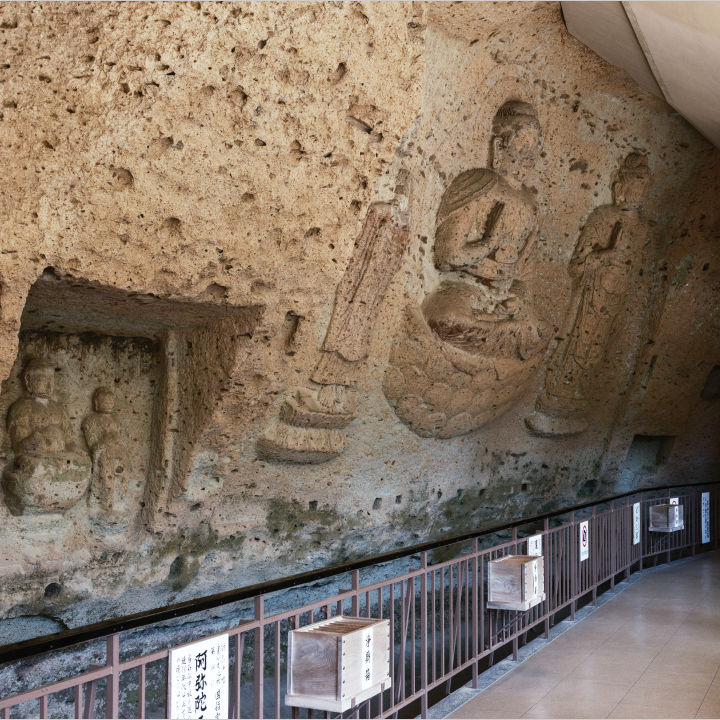
Two Buddha statues carved into Oya rock
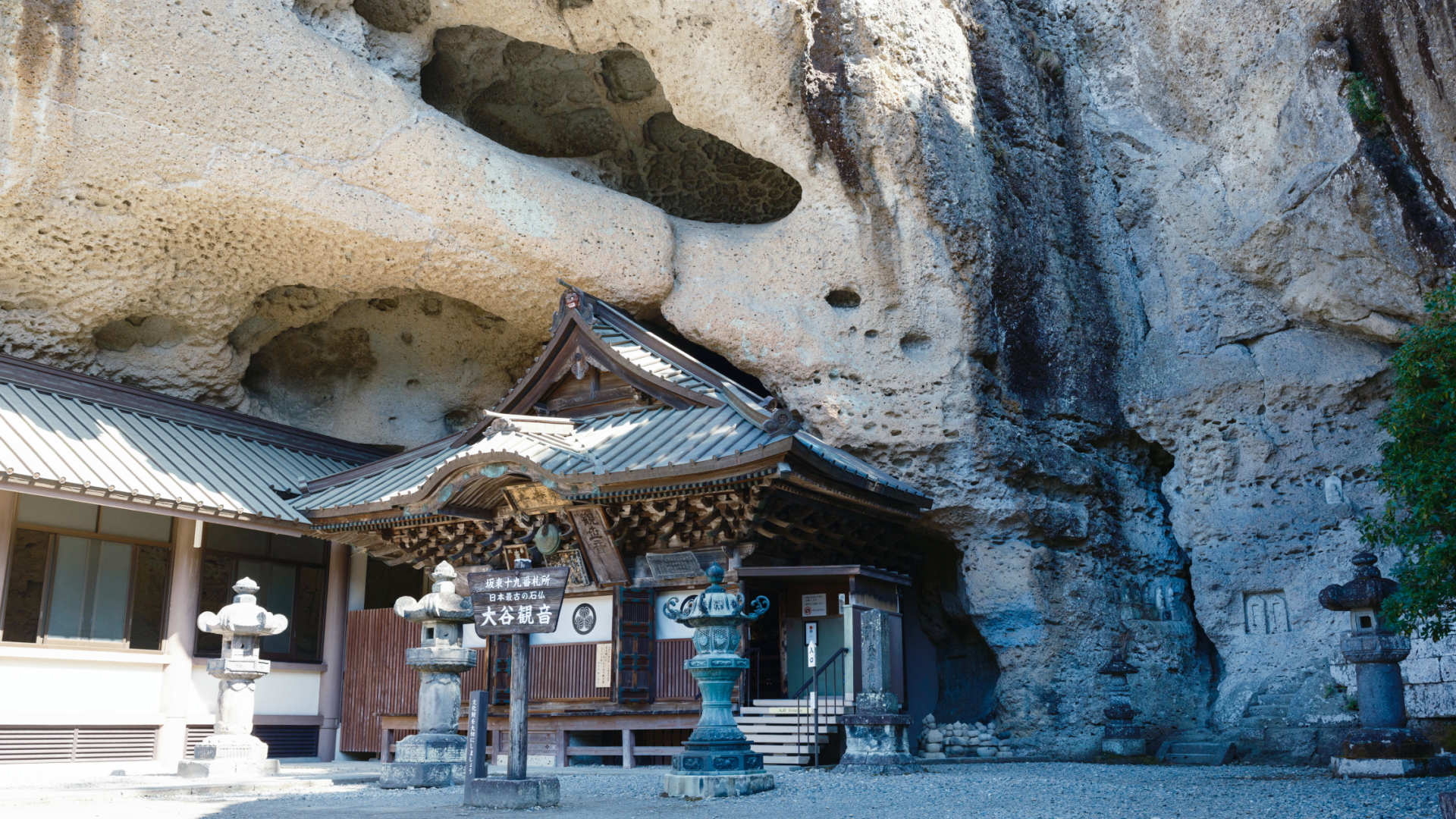
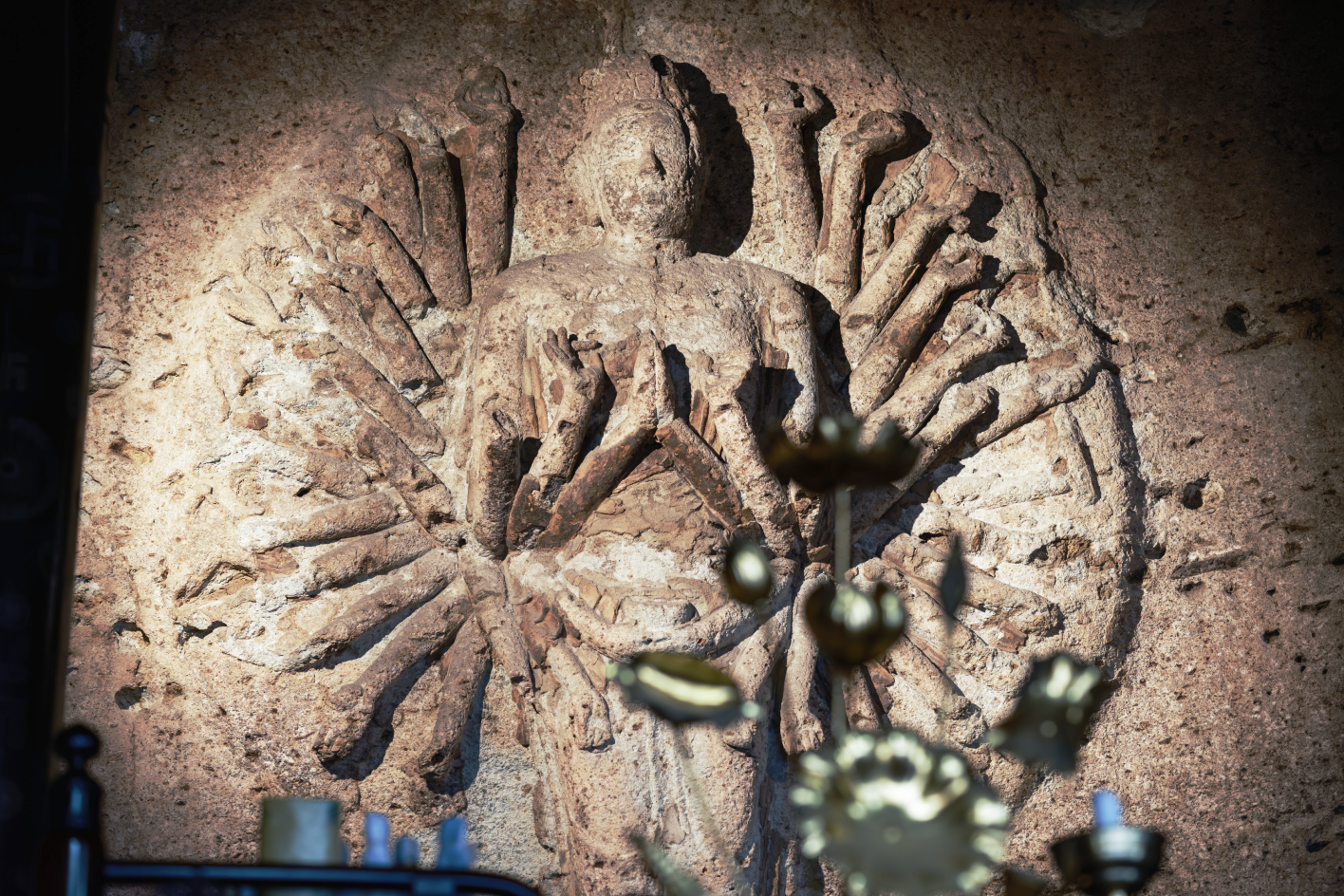
Located south of the museum along the Oya Kaido road is Oyaji, a temple known for the Oya Kannon, the oldest stone Buddha in Japan. According to temple accounts, Oyaji was founded in the early 9th century by the famous monk Kukai. The stone-relief Buddha, about 4 meters (13 feet) tall and directly carved into the natural rock face of the Oya stone, is designated as a nationally important cultural asset. Blending seamlessly with the surrounding rock face in its cave-like setting, the statue exudes an extraordinary presence.
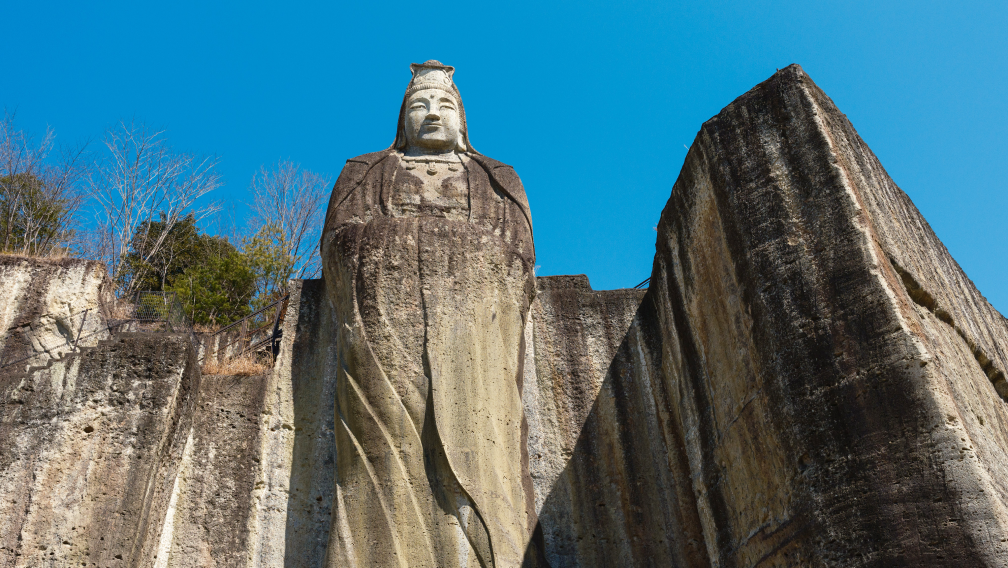
Photo 1: Oya Kannon, Photo 3: stone Buddha statues, Photo 4: Peace Kannon
There’s another notable Buddha statue carved into the rock in nearby Oya Park. The Peace Kannon stands 27 meters (89 feet) tall, making it a symbolic landmark of Oya. From the observation deck near the top of the statue, you enjoy panoramic views of the old quarry and the city of Utsunomiya below. Seeing so much Oya stone in the temple grounds and park, you’re reminded that the city’s history and quarrying culture are etched into the landscape as much as they are into the lives of the region’s people.
Punto: A culinary and musical discovery in Oya
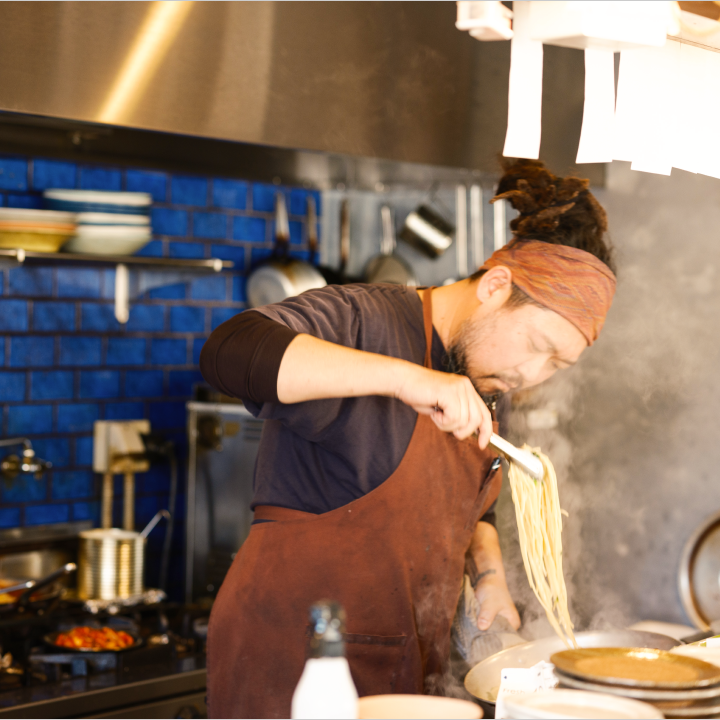
Italian cuisine at a welcoming local trattoria
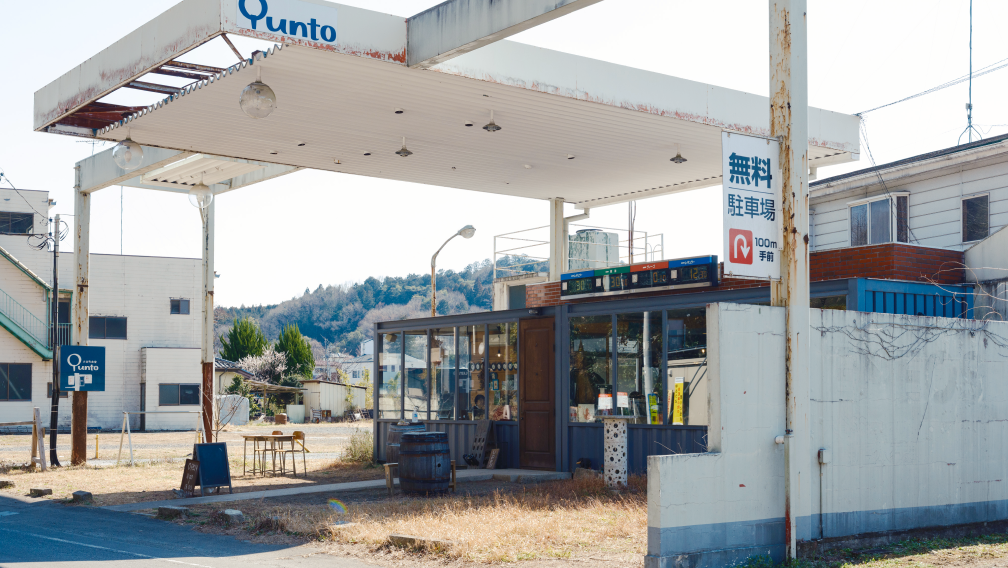
You stop in at Punto, a restaurant and café located right next to Oya Park. It’s a relaxed eatery offering Italian cuisine that incorporates local ingredients. Somewhat surprisingly housed in a building that used to serve as a gas station, its welcoming atmosphere fits perfectly into the local landscape.
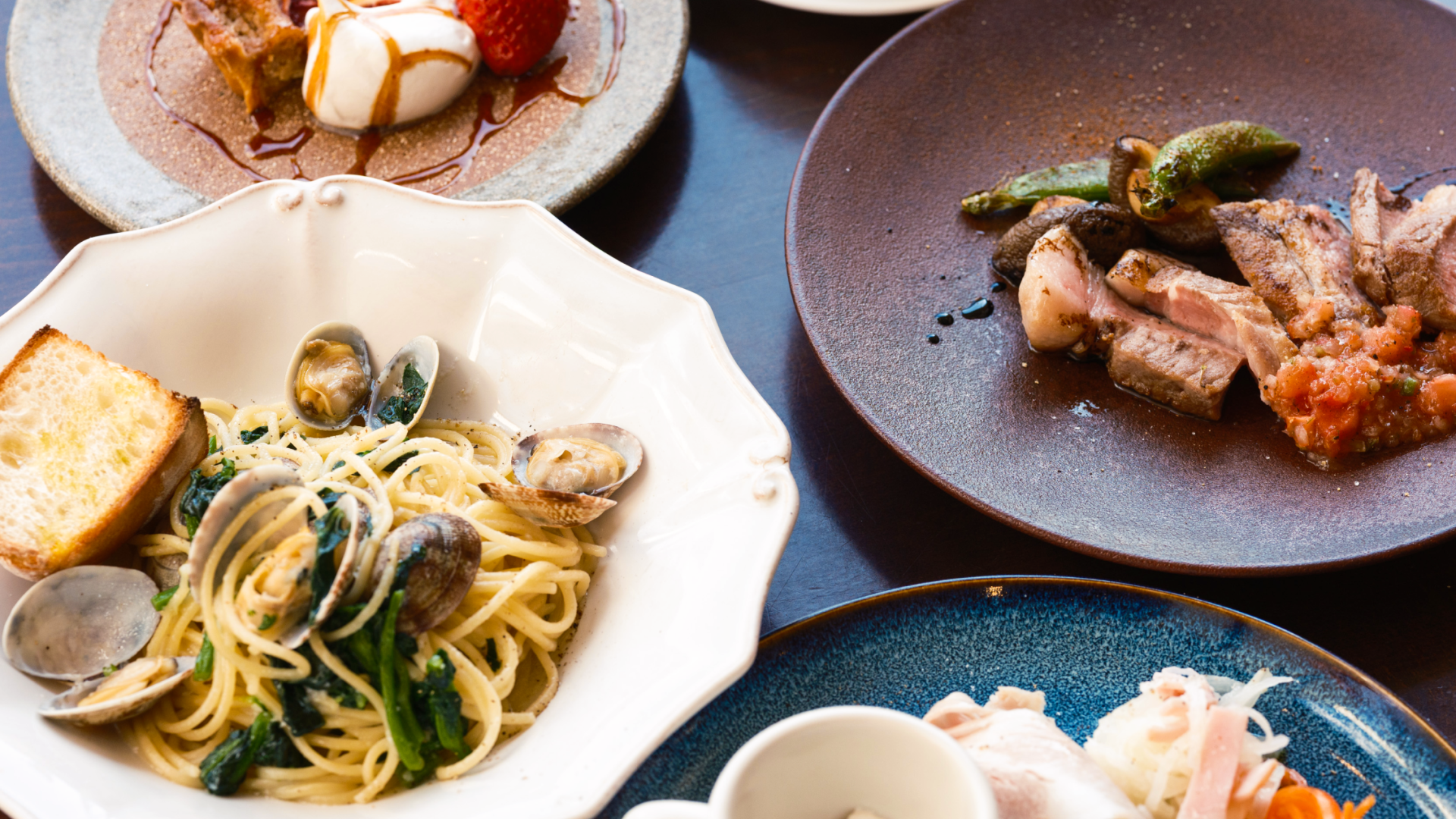
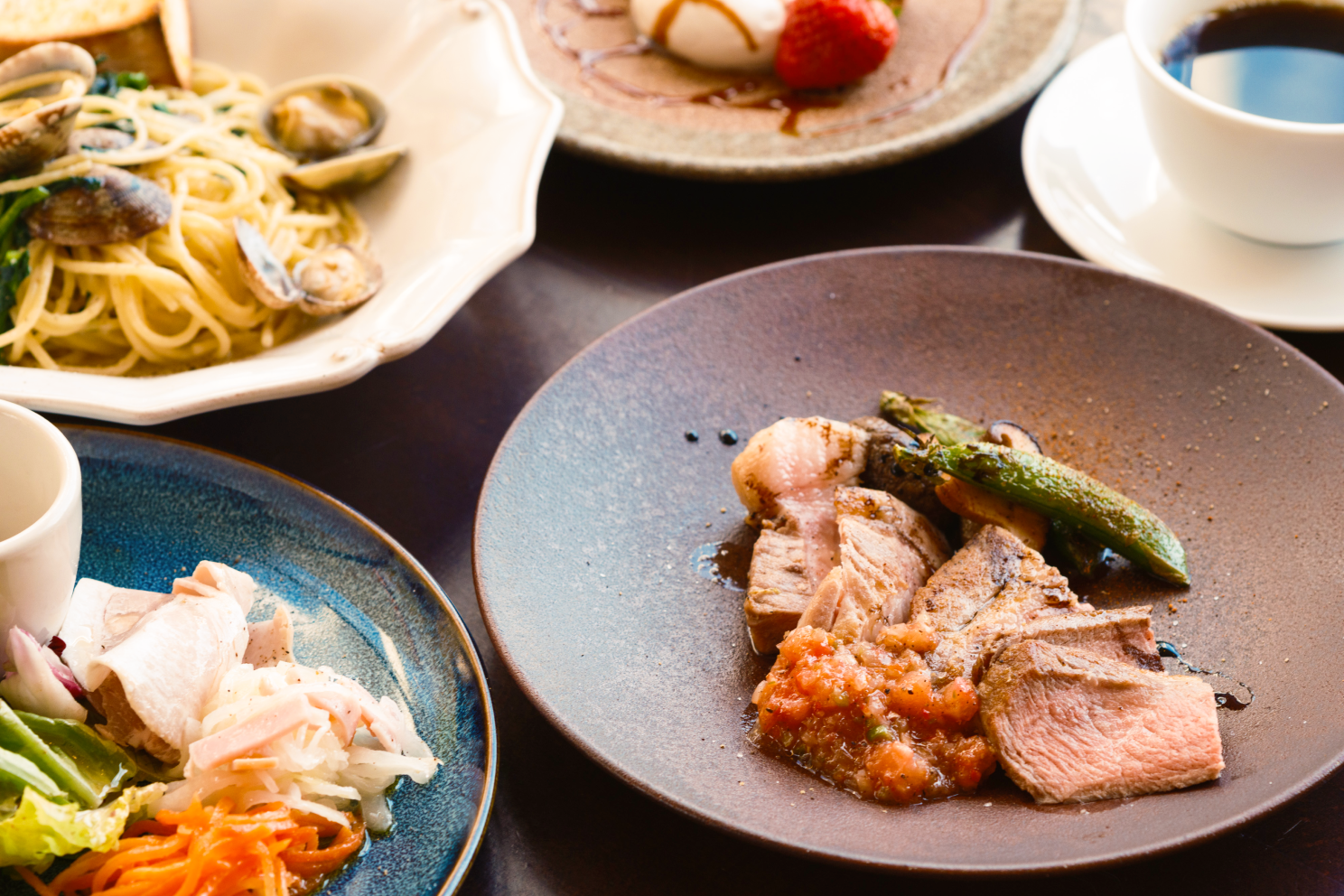
The prix fixe lunch you order has plenty to it: a salad and appetizer platter, followed by a clam and rapeseed flower pepperoncino primo, a main course featuring Tochigi's famous Sakura pork, and a slice of tart and coffee to finish. Each dish is meticulously prepared, and you come away feeling thoroughly satisfied.
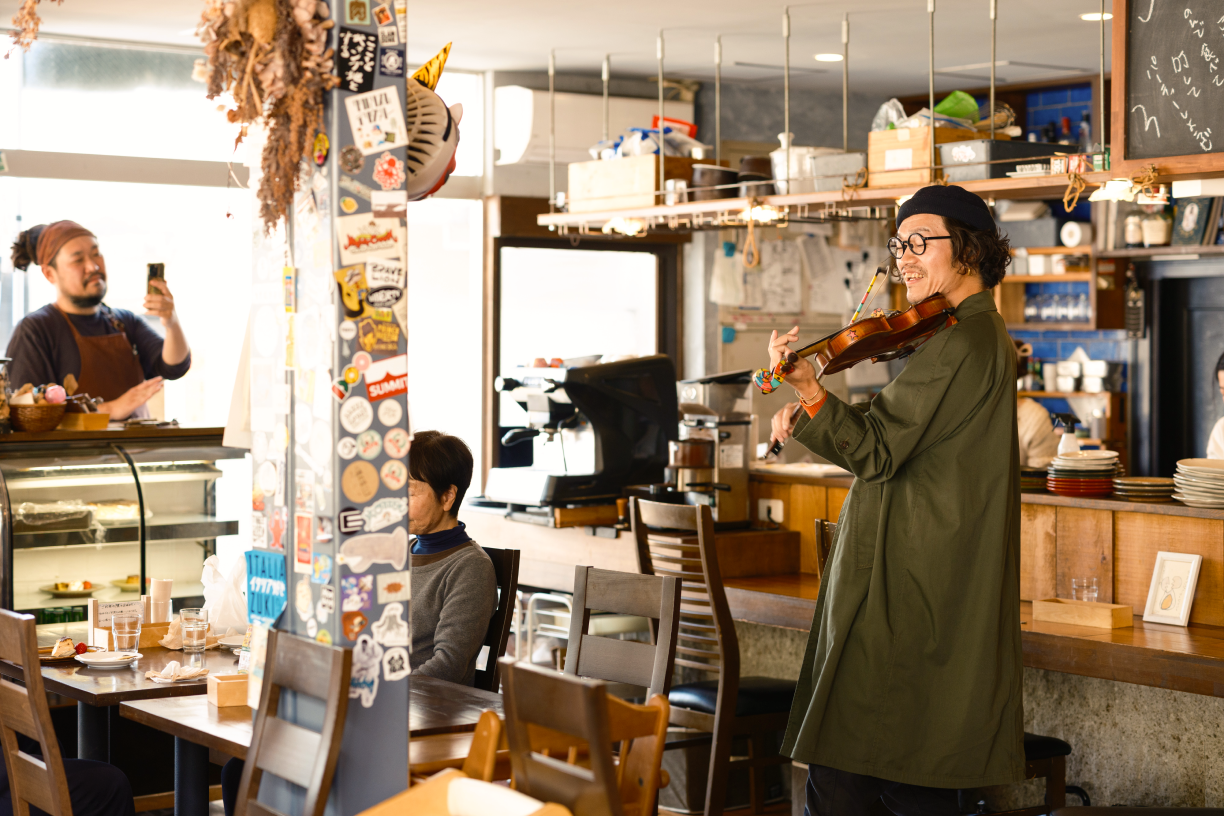
Besides being a restaurateur, the owner, Tomoya Takahashi, is also a lover of music, and he invites musicians to his establishment and other places in Oya to play at events. Iku, leader of the group Philharmony Wedding, happens to be visiting and launches into an impromptu violin performance, much to the delight of the customers. It’s a glimpse into local community life, where people naturally connect through food and music—with a little encouragement from Tomoya's warm personality.
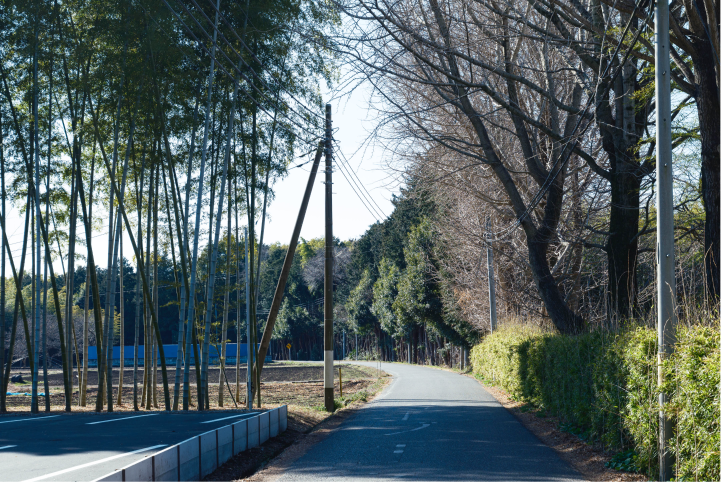
Driving north from Oya, you follow country roads until a large bamboo grove comes into view.
Wakayama Farm: Home to a vast bamboo forest
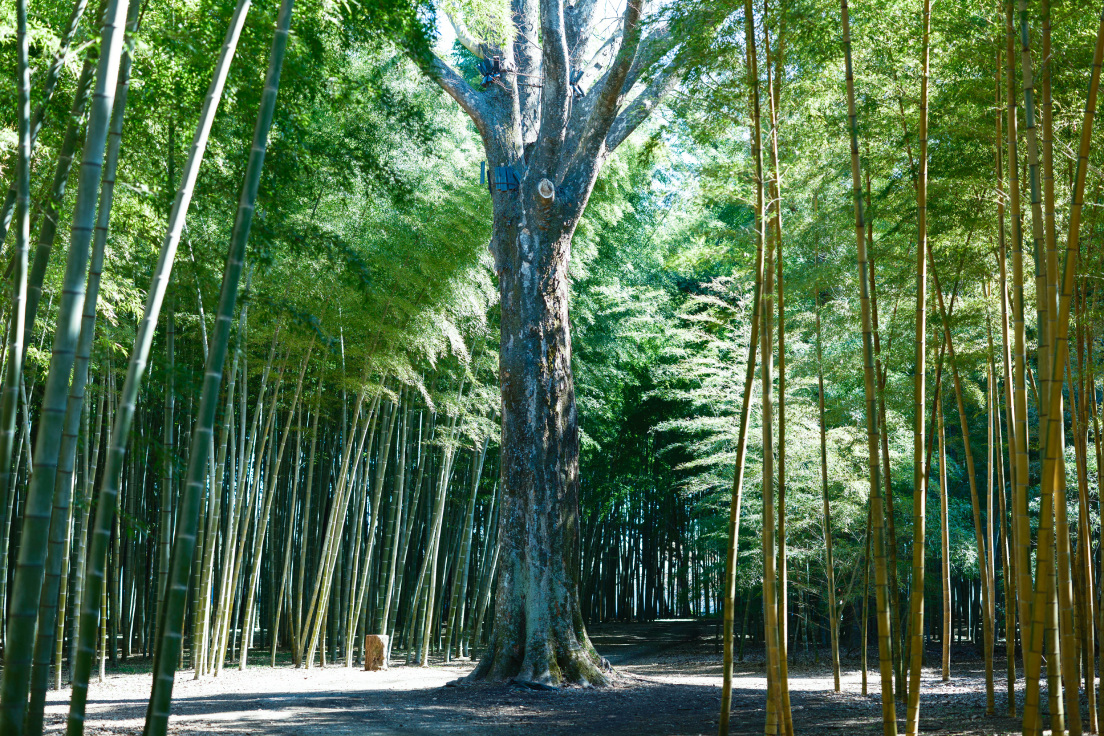
Large-scale bamboo cultivation with sustainability in mind
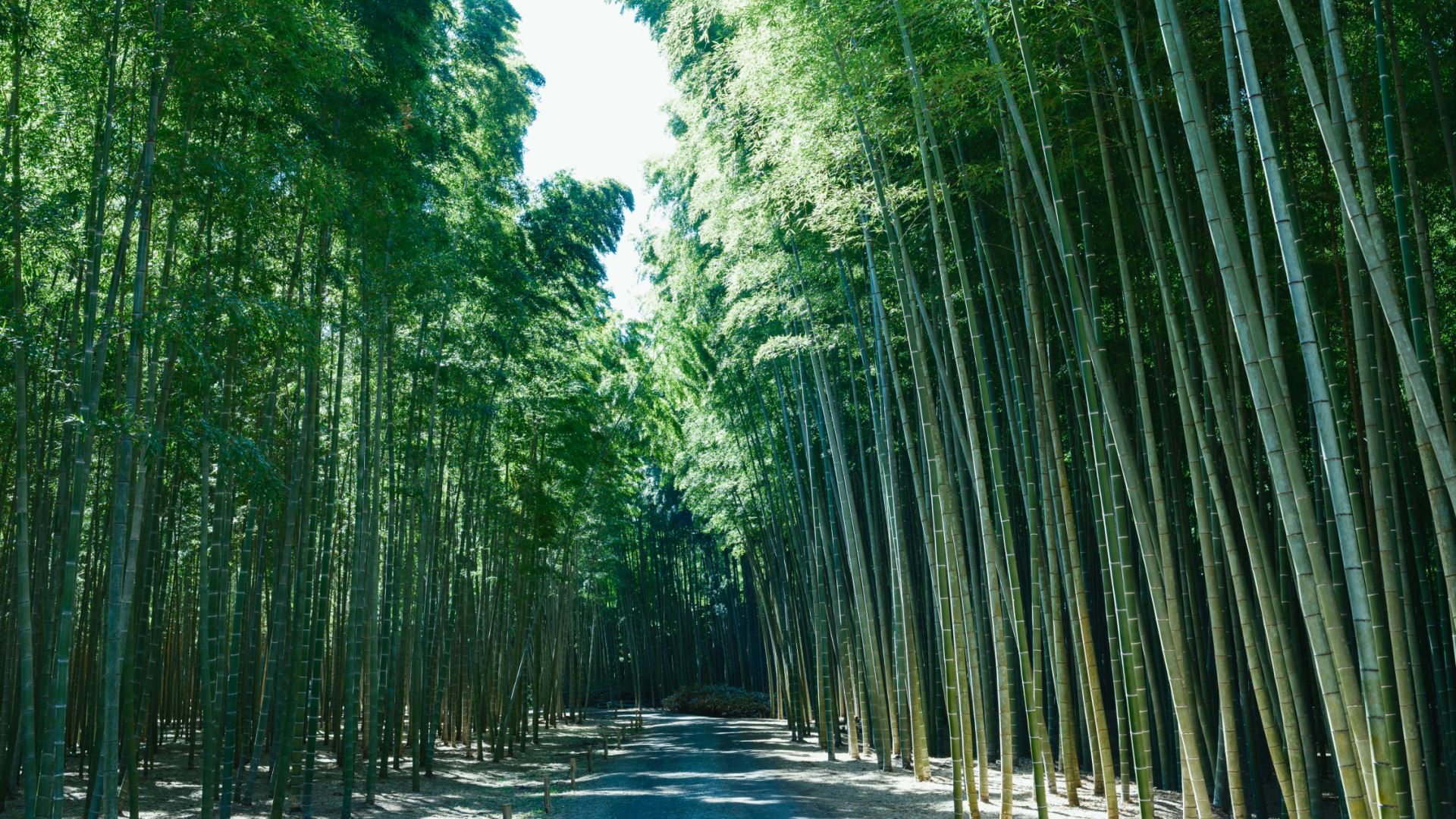
After leaving Oya, you head to Wakayama Farm, a vast bamboo nursery in northern Utsunomiya. For over a hundred years, spanning three generations of the same family, the farm has been cultivating young bamboo and chestnuts using natural, sustainable methods and adhering to the principle that “agriculture is all about soil preparation.”
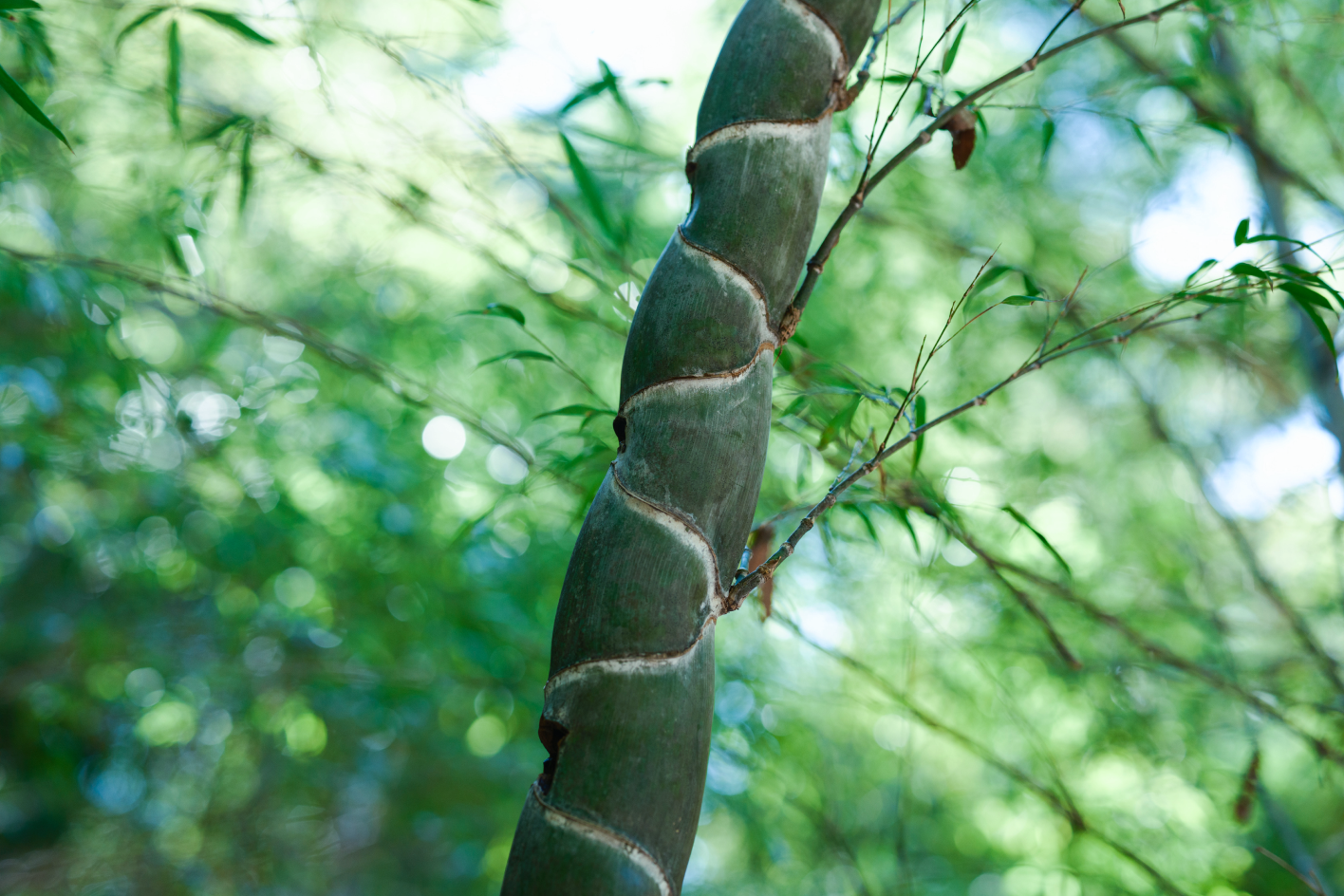
Bamboo groves cover the expansive grounds, giving visitors a chance to see all sorts of different types of bamboo. You’re a little taken aback by the sheer variety at first. One in particular leaves a real impression on you. It’s rare, and you’ve never seen it before. Called kikkochiku (tortoise shell bamboo), it has bulging nodes that make it look like a tortoise’s shell, and it’s said to have been the bamboo of choice for the daimyo Mito Komon for his walking sticks.
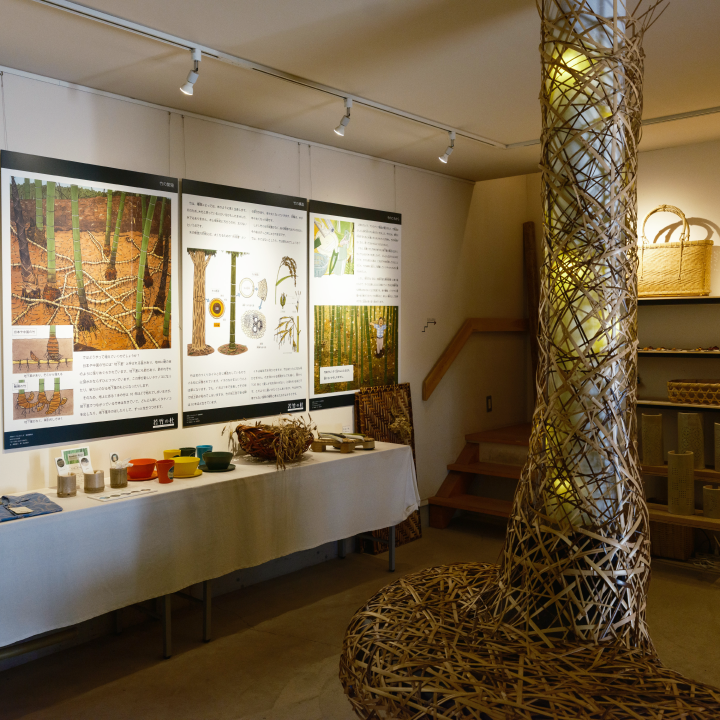
You also find a gallery showcasing art pieces featuring bamboo, as well as displays that teach about bamboo culture and its uses. The gallery has exhibits of clothing and containers made from the plant’s fibers—just a few examples of ways to use bamboo to its full potential. You admit to yourself that you’d never considered bamboo as such a useful resource.
Michi-no-Eki Utsunomiya Romantic Village: In search of Utsunomiya specialties
Souvenir hunting in a multi-use roadside station
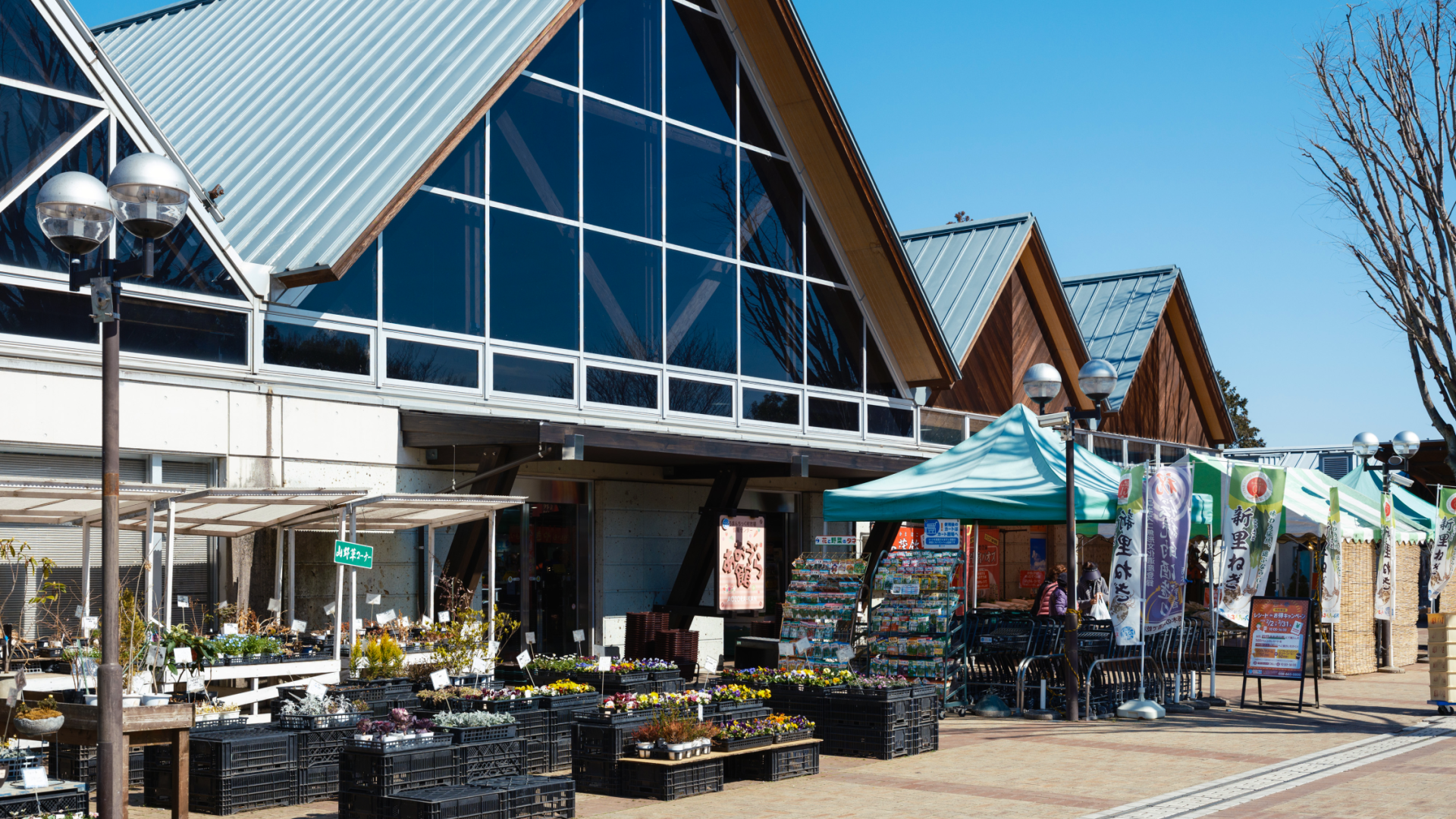
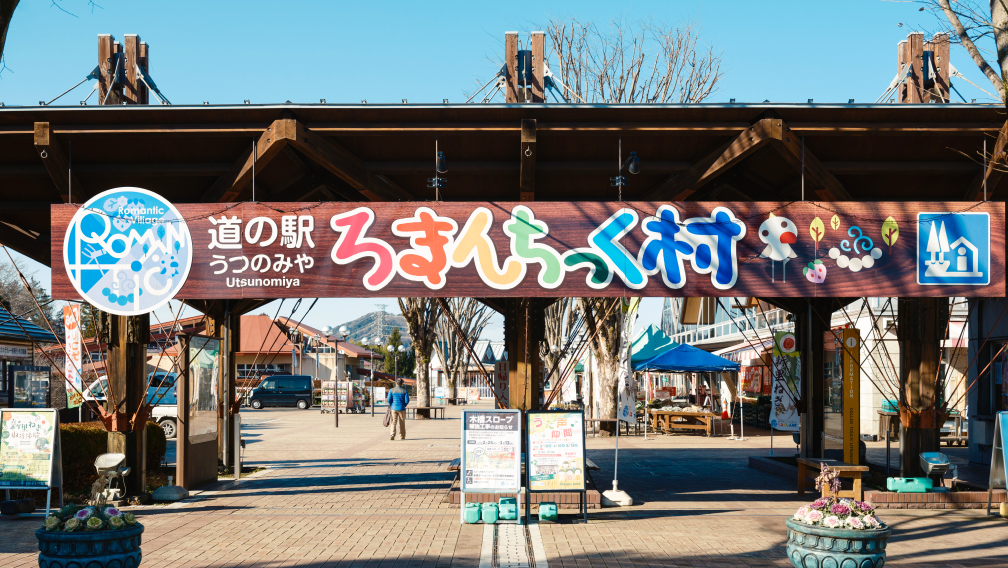
Before checking into your accommodation for the night—the Fairfield by Marriott Tochigi Utsunomiya—you stop by the adjacent michi-no-eki, enigmatically named Utsunomiya Romantic Village. These roadside stations are located across Japan offering local food, produce, crafts, and even tourism information—but this particular one is much more extensive. You decide to get your souvenir shopping done early.
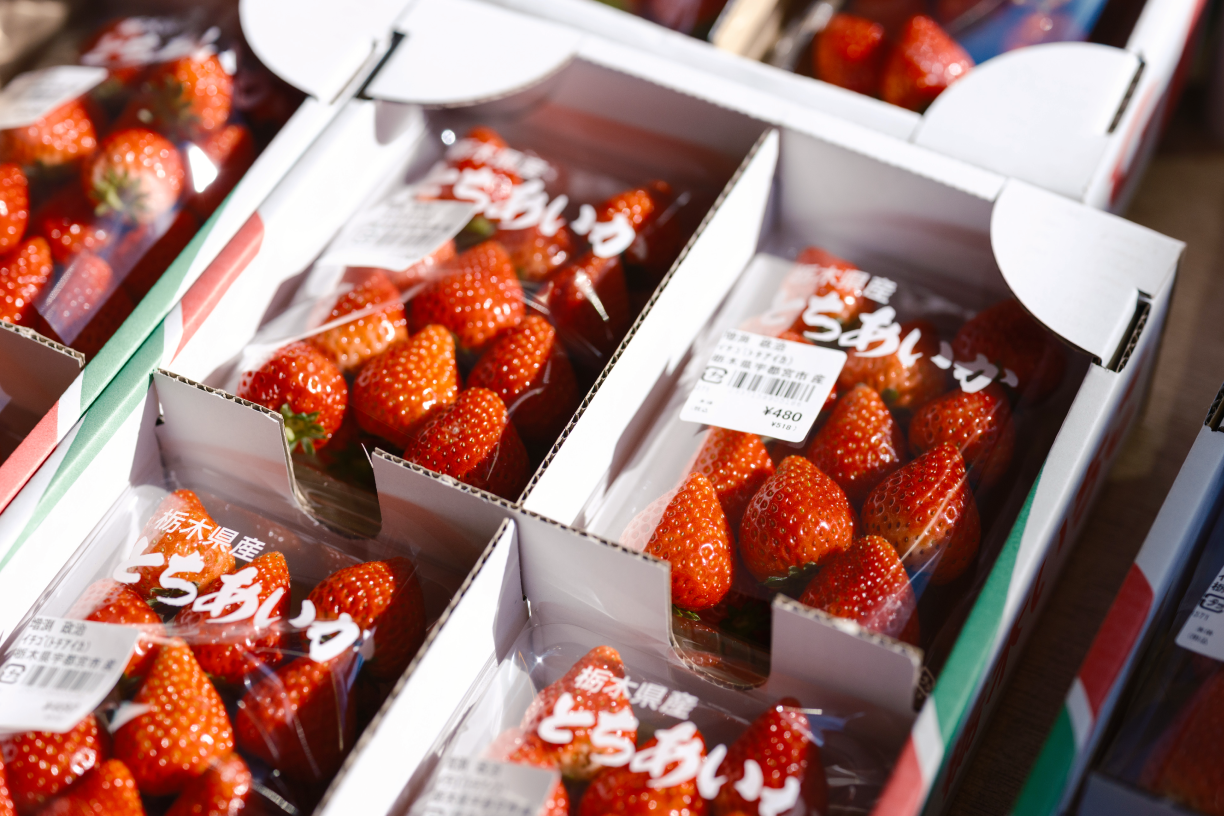
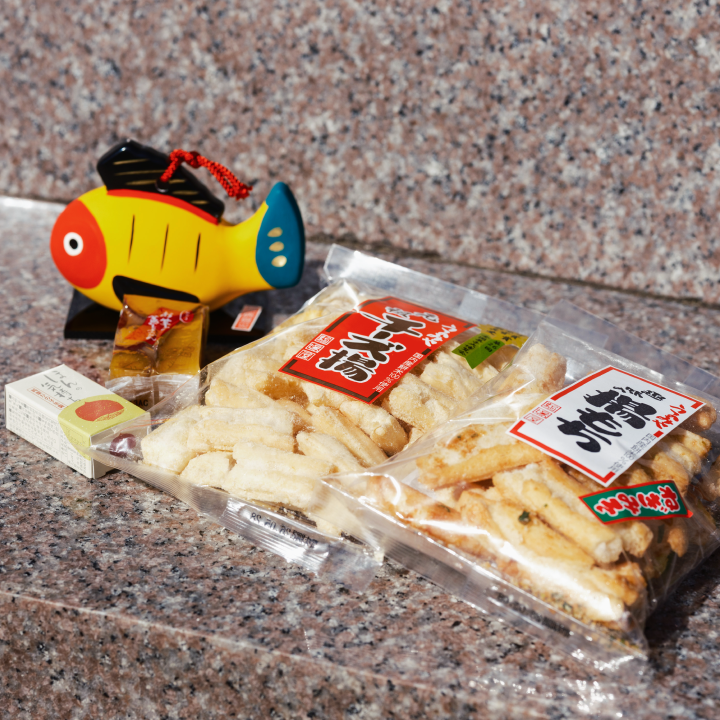
Inside the large complex is the Aozora-kan market, its shelves stacked with flowers and fresh fruits and vegetables, including Tochigi's famous strawberries. While browsing the seasonal ingredients and local specialties, you pick up some deep-fried rice cakes and yokan sweet bean jelly—made, respectively, by local establishments Komabaya and Wakayama—and a kibuna, a traditional Utsunomiya fish toy that has been around for a few centuries and is hung in the hope of summoning good health. They’re all famous local products, and you’re looking forward to taking them home with you.
Fairfield by Marriott Tochigi Utsunomiya
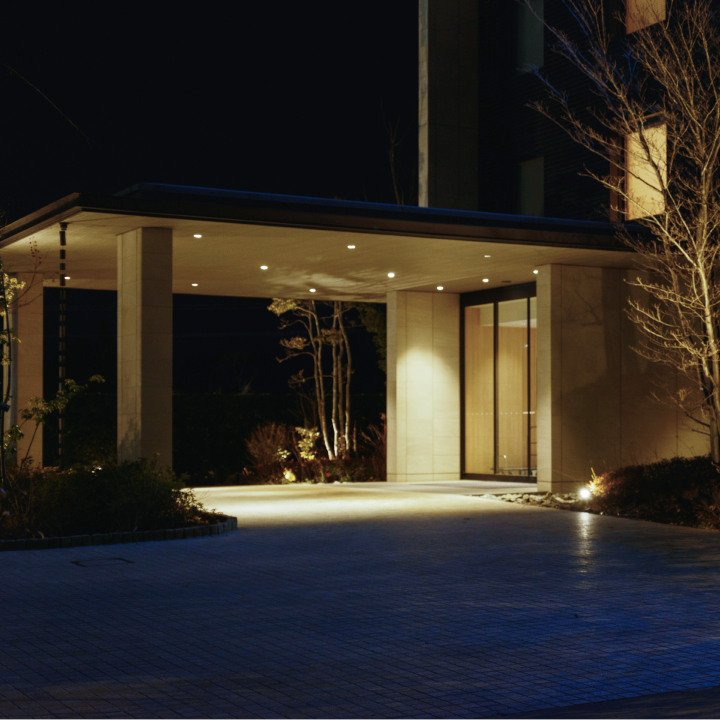
You make the short walk from the michi-no-eki to your hotel. After checking in, you try to decide where to eat dinner. You ask the hotel staff, and they inform you that there are two restaurants in the michi-no-eki next door, both open until 9 p.m.—Mugi no Rakuen and Yuzu-an.
Both establishments serve some traditional dishes made with locally sourced seasonal ingredients, although Mugi no Rakuen’s menu seems to be more Western than that of Yuzu-an. Most michi-no-eki apparently close early, but fortunately that isn’t the case here.
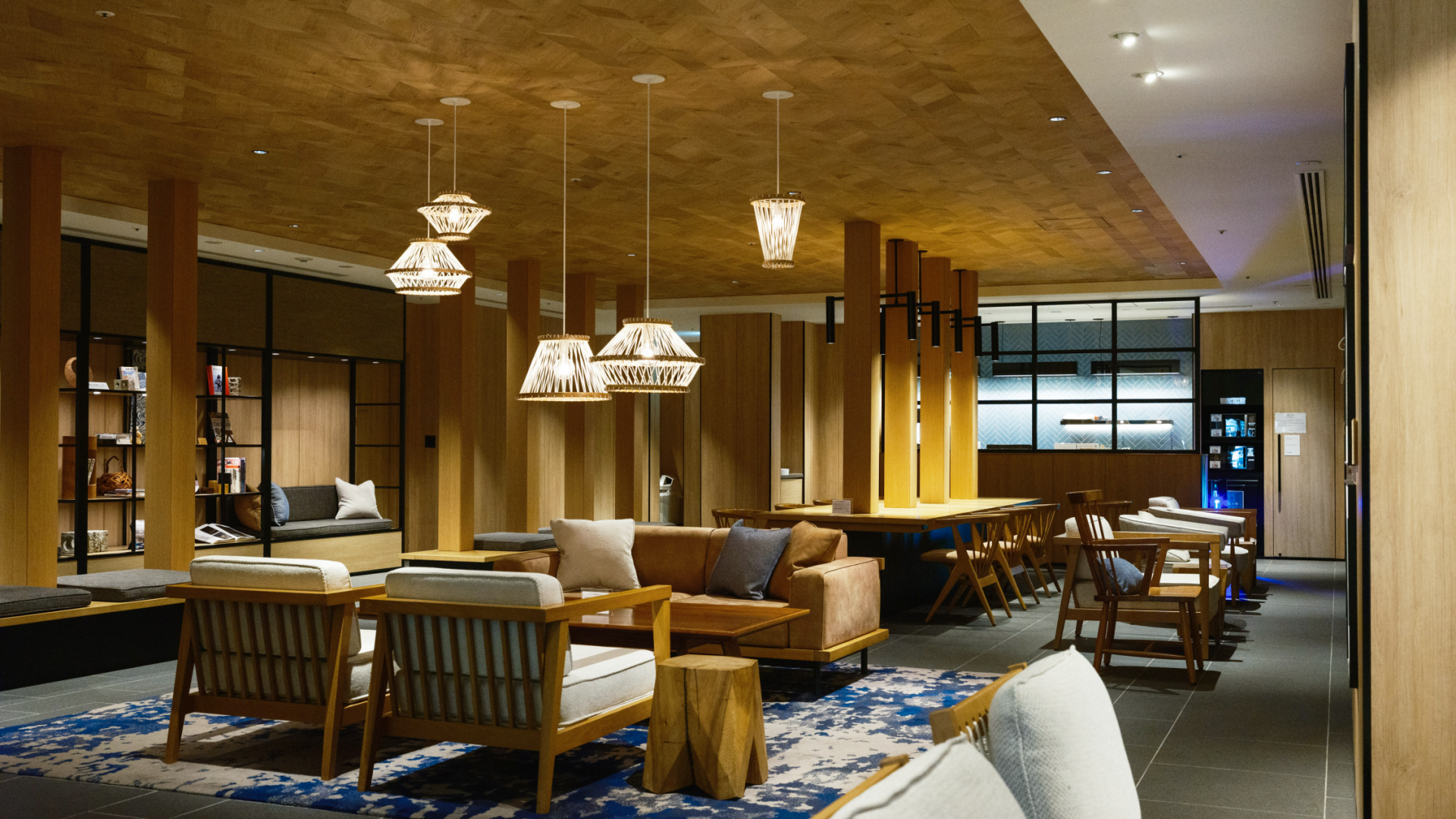
You also learn that there’s a hot spring bath hall in the michi-no-eki complex with outdoor baths, and you spot several hotel guests carrying towels on their way out of the Lobby Lounge. You imagine they’ve decided to enjoy a bath before dinner. And why not? You decide to follow suit and head to the baths yourself.
Per Night Per Room from ¥19,360